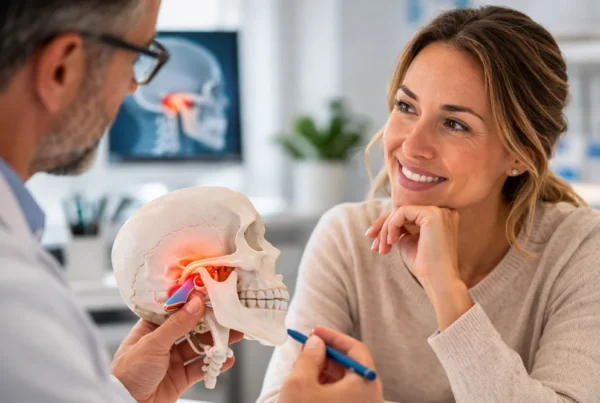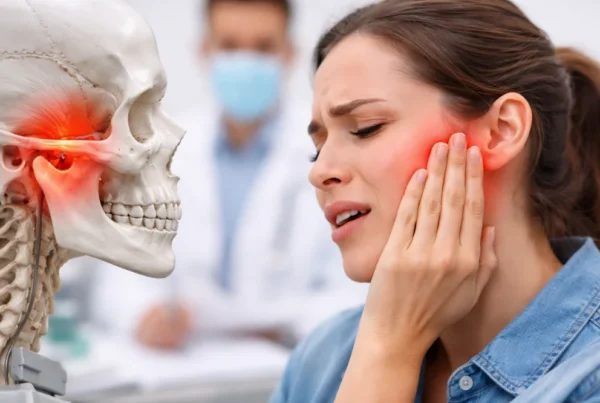

Massage therapy can be a wonderful way to help reduce TMJ pain by gently relaxing the tight muscles around your jaw and improving blood flow to areas that are sore and uncomfortable. When you have TMJ problems, the muscles that control your jaw often become tense and knotted, kind of like when you get a knot in your shoulder muscles from carrying a heavy backpack. Gentle massage techniques can help these muscles relax and return to their normal, comfortable state.
Dr. Bethaney Brenner in Burlington, Connecticut has over 40 years of experience helping patients understand how different treatments work together to provide TMJ relief. As a graduate of the University of Connecticut School of Dental Medicine with specialized training in DTR therapy for treating facial pain and jaw dysfunction, she recognizes that massage therapy can be an important part of comprehensive TMJ treatment. Her holistic health background and recognition as one of America’s Best Dentists comes from understanding how treatments that address muscle tension can complement dental approaches for better overall results.
What makes massage therapy especially helpful for TMJ is that it addresses the muscle problems that often cause much of the pain and stiffness people experience with jaw disorders. Dr. Brenner’s extensive experience and teaching background since 1980 help her coordinate care between different specialists to ensure that massage therapy is used effectively as part of a complete treatment plan that addresses all aspects of TMJ dysfunction.
Understanding How Your Jaw Muscles Work
Learning about the muscles that control your jaw helps explain why massage therapy can be so effective for reducing TMJ pain and improving jaw function. Your jaw is controlled by several different muscle groups that work together like a team to help you chew, speak, and open and close your mouth smoothly. When these muscles become tight, imbalanced, or overworked, they can cause the pain and dysfunction associated with TMJ disorders.
The main chewing muscles, called the masseter and temporalis muscles, are often the ones that become tight and painful in people with TMJ problems. These powerful muscles can develop knots and trigger points that cause localized pain and can even refer pain to other areas like your temples, cheeks, or neck, making TMJ symptoms feel more widespread than they actually are.
Secondary muscles in your neck, shoulders, and face also play important roles in jaw function and can contribute to TMJ symptoms when they’re not working properly. Problems in these supporting muscles can create a chain reaction that affects how your jaw moves and feels, which is why comprehensive treatment often needs to address more than just the obvious jaw muscles.
Understanding this muscle complexity helps explain why massage therapy can be so beneficial for TMJ because it addresses the soft tissue problems that are often the root cause of jaw pain and dysfunction, rather than just treating symptoms.
Different Types of TMJ Pain and How Massage Helps
TMJ pain can come from different sources, and understanding what type of pain you have helps determine which massage techniques will be most helpful for your specific situation. Some TMJ pain comes primarily from tight, overworked muscles, while other pain may be related to problems within the jaw joint itself, and many people have a combination of both types of problems that need different approaches.
Muscle-related TMJ pain often feels like aching, soreness, or tightness in your jaw, face, or temples, and this type of pain usually responds very well to massage therapy techniques that help relax tight muscles and improve blood flow. People with this type of pain often notice that their symptoms get worse with stress, clenching, or activities that require a lot of jaw movement like chewing tough foods.
Joint-related TMJ pain may involve clicking, popping, or locking sensations along with discomfort, and while massage can still be helpful for this type of problem, it works best when combined with other treatments that address the joint mechanics. Massage for joint problems focuses more on reducing inflammation and supporting circulation around the joint rather than just working on muscle tension.
How Modern Life Affects Your Jaw
Modern lifestyle factors significantly contribute to TMJ problems, making massage therapy both a treatment and prevention strategy. Our contemporary habits create ideal conditions for jaw dysfunction through stress, poor posture, and repetitive strain patterns.
Stress is one of the biggest contributors to TMJ problems because it causes unconscious jaw clenching throughout the day and teeth grinding at night. Massage therapy helps break this cycle by providing deep relaxation for overworked jaw muscles and opportunities to consciously release accumulated tension.
Poor posture from computer work and phone use creates muscle imbalances that affect jaw alignment and function. Massage techniques addressing neck and shoulder tension can help correct these postural problems and reduce their TMJ impact.
Technology use and sedentary lifestyles contribute to overall muscle tension that manifests as jaw problems. Common modern lifestyle factors that worsen TMJ include:
- Prolonged computer use with forward head posture
- Stress from busy schedules and constant connectivity
- Poor sleep quality that prevents muscle recovery
- Lack of physical activity that increases overall tension
Dr. Brenner’s holistic health background helps her understand how these lifestyle factors interact with TMJ symptoms. By recognizing patterns that modern life creates, she tailors treatment approaches that relieve current discomfort while helping patients develop awareness of contributing daily habits. This comprehensive understanding allows for effective treatment plans addressing root causes rather than just managing symptoms, supporting long-term jaw health and overall wellbeing.
Working with Other TMJ Treatments
Massage therapy works best for TMJ when it’s combined with other appropriate treatments rather than used as a standalone solution. Dr. Bethaney Brenner’s comprehensive approach and extensive training allow her to coordinate massage therapy with dental treatments and other interventions for optimal results. This integrative approach often provides better outcomes than any single treatment used alone.
Combining massage with physical therapy exercises creates a powerful combination where massage relaxes tight muscles and physical therapy strengthens and stabilizes them for better long-term function. The relaxation achieved through massage makes exercises more effective and comfortable, while exercises help maintain the benefits of massage between sessions.
Dental treatments like bite guards or bite adjustments work better when jaw muscles are relaxed through massage therapy, and massage can help patients adjust more comfortably to new dental appliances or changes in their bite alignment.

Finding the Right Massage Therapist
Not all massage therapists have experience working with TMJ problems, so finding someone with specialized knowledge and training in treating jaw disorders can make a significant difference in your results. Therapists who understand TMJ anatomy and have experience with facial and jaw massage techniques can provide more targeted and effective treatment than those without this specialized background.
Look for massage therapists who have specific training in TMJ treatment, craniosacial therapy, or medical massage, as these specializations provide the knowledge needed to work safely and effectively with jaw problems. These therapists understand the delicate nature of facial muscles and know how to apply appropriate pressure and techniques for maximum benefit.
Communication with your healthcare team, including Dr. Brenner, ensures that your massage therapy is coordinated with other treatments and that all providers understand your specific TMJ issues and treatment goals for the best possible outcomes.
Self-Care and Home Techniques
Learning simple self-massage techniques and other home care strategies can help you maintain the benefits of professional massage therapy and manage TMJ symptoms between appointments. While professional massage therapy provides deeper and more comprehensive treatment, gentle self-care techniques can provide daily relief and help prevent muscles from becoming as tight and painful.
Simple self-massage techniques like gentle circular motions on your jaw muscles, light pressure on trigger points, and stretching exercises can help maintain muscle relaxation and prevent tension from building up throughout the day. These techniques should be gentle and never cause increased pain or discomfort.
Heat and cold therapy can complement massage by helping muscles relax and reducing inflammation, while stress management techniques like deep breathing and mindfulness help address one of the root causes of muscle tension that contributes to TMJ problems.
Your Path to TMJ Relief
Massage therapy offers a gentle, effective approach to managing TMJ pain that addresses the muscle tension and dysfunction that often underlies jaw problems. Understanding how massage therapy works to relax tight muscles, improve circulation, and reduce pain helps you see why it can be such a valuable part of comprehensive TMJ treatment. Dr. Brenner’s 40+ years of experience, specialized training in facial pain treatment, and holistic approach ensure that massage therapy is integrated effectively with other treatments for optimal results.
The key to successful TMJ massage therapy is working with qualified professionals who understand the complexities of jaw disorders and can provide targeted treatment that addresses your specific needs and symptoms. When massage therapy is combined appropriately with other treatments and supported by good self-care practices, most people can achieve significant improvement in their TMJ symptoms and quality of life.
With proper professional guidance, appropriate massage techniques, and commitment to comprehensive care, massage therapy can provide both immediate relief from TMJ pain and long-term benefits for jaw health and function. Dr. Brenner’s comprehensive approach ensures that massage therapy is used most effectively as part of a complete treatment plan tailored to your individual TMJ needs.
Book Your Consultation Today!
Dr. Bethaney B. Brenner DMD
8 Milford St, Burlington, CT 06013
Frequently Asked Questions
Can massage therapy really help with TMJ pain?
Massage therapy can be very effective for TMJ pain, especially when the pain is related to muscle tension and trigger points in the jaw, face, and neck muscles. By helping these muscles relax and improving blood flow to the area, massage can provide significant relief from pain and stiffness associated with TMJ disorders.
What are the best massage techniques for TMJ?
Effective TMJ massage techniques include gentle circular motions on the jaw muscles, trigger point release for areas of muscle tension, gentle stretching of tight muscles, and techniques that address related neck and shoulder muscles. The best techniques vary depending on your specific symptoms and should be performed by a therapist trained in TMJ treatment.
How often should I get massage therapy for TMJ?
The frequency of massage therapy for TMJ depends on the severity of your symptoms, how well you respond to treatment, and what other treatments you’re receiving. Some people benefit from weekly sessions initially, while others may need massage less frequently once their symptoms improve. Your healthcare provider can help determine the best schedule for your individual needs.