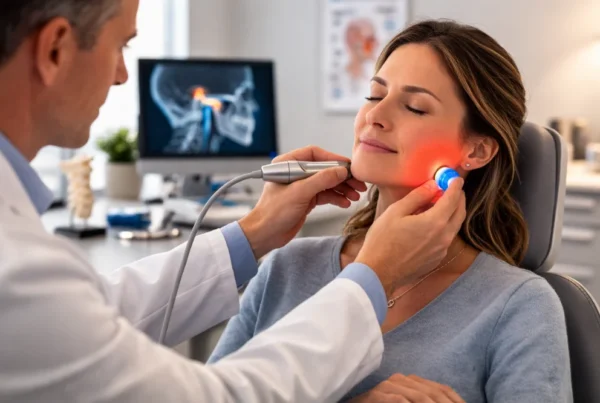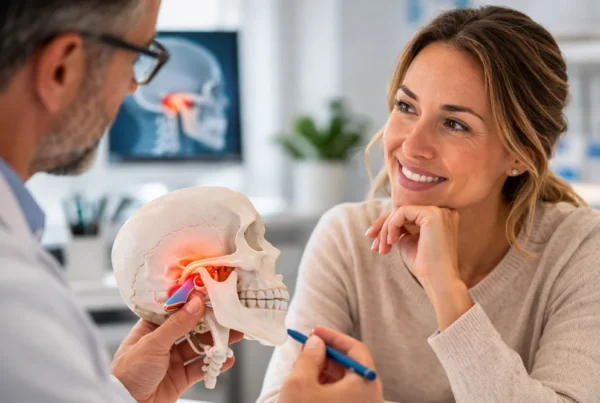

TMD, which stands for temporomandibular disorder, affects the joint that connects your jaw to your skull and can cause pain, clicking sounds, or difficulty opening your mouth normally. Many people don’t realize that physical therapy can be incredibly helpful for TMD because it teaches your jaw muscles how to work properly again and reduces pain through gentle exercises and treatments. Think of it like physical therapy for any other part of your body, your jaw muscles and joints need the right kind of exercise and care to heal and function correctly.
Dr. Bethaney Brenner in Burlington, Connecticut has over 40 years of experience helping patients with TMD and understands how physical therapy can be an important part of comprehensive treatment. As a graduate of the University of Connecticut School of Dental Medicine with additional certification in DTR therapy for treating facial pain and jaw dysfunction, she recognizes that TMD often requires multiple approaches working together. Her holistic health background and recognition as one of America’s Best Dentists comes from understanding that jaw problems often involve the muscles, joints, and even stress factors that physical therapy can address.
Physical therapy for TMD isn’t just about doing exercises, it involves learning about your condition, practicing specific movements that help your jaw work better, and getting hands-on treatment from trained therapists who understand how jaw muscles and joints function. Dr. Brenner’s extensive training and teaching experience since 1980 help her coordinate care between different specialists to ensure patients get the most effective treatment possible for their individual TMD situation.
How Physical Therapy Helps Your Jaw
Physical therapy for TMD works by addressing the specific muscle problems, joint stiffness, and movement patterns that contribute to your jaw pain and dysfunction. Unlike taking medicine that just covers up the pain temporarily, physical therapy actually helps fix the underlying problems that are causing your TMD symptoms. Each person’s TMD is different, so physical therapists create customized treatment plans based on your specific symptoms and needs.
Manual therapy techniques involve gentle hands-on treatments where the therapist uses their hands to massage tight muscles, mobilize stiff joints, and help restore normal movement to your jaw area. These techniques can provide immediate relief from muscle tension and help improve blood flow to healing tissues in your jaw and face.
Targeted exercises are carefully chosen to strengthen weak muscles that support your jaw while stretching tight muscles that might be pulling your jaw out of proper alignment. For example, some people need exercises to strengthen the muscles that open their mouth, while others need stretches to relax muscles that are too tight from clenching or grinding their teeth.
Patient education is a crucial part of physical therapy because understanding your condition helps you make better choices throughout the day that support your healing and prevent symptoms from getting worse.
Overcoming Doubts About Physical Therapy
Some people think physical therapy won’t help TMD because they believe jaw problems can only be fixed with dental treatments or surgery, but modern physical therapy has proven to be very effective for many TMD symptoms. Understanding how physical therapy has evolved and improved helps overcome these outdated beliefs and opens up new treatment possibilities for people suffering from jaw pain and dysfunction.
Many successful TMD patients have found significant relief through physical therapy, often avoiding the need for more invasive treatments like surgery or long-term use of pain medications. Sharing these success stories helps other patients understand that physical therapy is a legitimate, effective treatment option that should be considered early in TMD treatment rather than as a last resort.
The non-invasive nature of physical therapy makes it an attractive first-line treatment because it carries very low risk while potentially providing substantial benefits for TMD symptoms. Unlike surgical interventions that can’t be undone, physical therapy allows patients to try effective treatment without permanent changes or significant risks.
Creating Your Personal TMD Treatment Plan
Developing an effective physical therapy plan for TMD requires careful evaluation of your specific symptoms, lifestyle factors, and treatment goals to create a program that addresses your individual needs. Dr. Brenner’s comprehensive approach includes understanding how your TMD affects your daily activities and what outcomes are most important to you personally. This individualized approach ensures that treatment focuses on the problems that matter most to your quality of life.
Assessment begins with understanding the type and intensity of your pain, how much your jaw opens, whether you have clicking or locking, and any related symptoms like headaches or neck pain. This detailed evaluation helps identify which muscles and joints need attention and what types of therapy will be most beneficial for your specific situation.
Treatment techniques are selected based on your evaluation results and might include gentle massage for muscle tension, joint mobilization for stiffness, specific exercises for strength and flexibility, and education about habits that might be contributing to your TMD symptoms. The combination of techniques used will be unique to your needs and may change as you improve.
Coordination with other healthcare providers ensures that your physical therapy works well with any other treatments you’re receiving for TMD, such as dental appliances, stress management, or other therapies. Here are key components of effective TMD physical therapy:
- Hands-on manual therapy to reduce muscle tension and improve joint mobility
- Customized exercises to strengthen and stretch specific jaw muscles
- Education about daily habits that can help or hurt your TMD recovery
- Coordination with dental and medical treatments for comprehensive care
Dr. Brenner’s role as Treasurer on the Connecticut State Dental Association Board of Governors helps her stay current with the latest research on how physical therapy integrates with other TMD treatments.
Tracking Your Progress and Adjusting Treatment
Monitoring how well physical therapy is working for your TMD helps ensure that treatment stays on track and adjustments are made when needed to optimize your results. Regular assessment of your symptoms, function, and quality of life helps both you and your healthcare team understand whether current treatments are effective or if changes are needed.
Clear benchmarks for improvement help track progress objectively, such as measuring how wide you can open your mouth, rating your pain levels, or noting improvements in daily activities like eating or speaking. When progress stalls or symptoms worsen, it may indicate the need for treatment modifications or additional interventions.

Building Your Support Network
Successful TMD treatment often involves a team approach that combines the expertise of different healthcare professionals who understand how various aspects of jaw function and pain work together. Dr. Brenner’s extensive training in multiple areas allows her to coordinate with physical therapists and other specialists to provide comprehensive care that addresses all aspects of your TMD.
Specialized physical therapists who have additional training in treating TMD and facial pain can provide more targeted and effective treatment than general physical therapists who may not be familiar with the unique aspects of jaw dysfunction. Finding therapists with this specialized knowledge significantly improves treatment outcomes.
Technology tools like apps for tracking symptoms or reminding you to do exercises can help you stay consistent with your treatment program and provide valuable information to your healthcare team about what’s working and what isn’t.
Preventing Future TMD Problems
Learning to recognize and modify habits that contribute to TMD helps prevent symptoms from returning after successful treatment and reduces the risk of developing new problems in the future. Understanding your personal TMD triggers empowers you to make choices that support long-term jaw health and comfort.
Harmful habits like teeth clenching, jaw clenching during stress, or chewing on hard objects can undo the progress made through physical therapy, so learning to recognize and change these behaviors is crucial for lasting improvement. Mindfulness techniques can help you become more aware of unconscious jaw tension and learn to relax these muscles throughout the day.
Ergonomic improvements in your work and sleep environments can reduce strain on your jaw, neck, and shoulders that contributes to TMD symptoms. Simple changes like adjusting your computer screen height or choosing a supportive pillow can make a significant difference in preventing jaw problems.
Your Journey to Better Jaw Health
Physical therapy offers a safe, effective approach to treating TMD that addresses the root causes of jaw pain and dysfunction rather than just masking symptoms temporarily. Understanding that TMD often involves muscle problems, movement patterns, and habits that can be improved through proper therapy helps you see why this approach can be so successful for many people. Dr. Brenner’s 40+ years of experience, specialized training in facial pain treatment, and holistic approach ensure that patients receive comprehensive care that considers all factors affecting their jaw health.
The personalized nature of physical therapy for TMD means that treatment can be adapted to your specific needs, lifestyle, and goals, making it more likely to provide lasting benefits. When combined with other appropriate treatments and coordinated by experienced healthcare providers, physical therapy can help most people achieve significant improvement in their TMD symptoms and quality of life.
With proper evaluation, appropriate treatment, and commitment to the recommended program, physical therapy can help you regain normal jaw function, reduce pain, and learn strategies for maintaining jaw health long-term. Dr. Brenner’s comprehensive approach ensures that physical therapy is integrated effectively with other treatments for optimal results and lasting relief from TMD symptoms.
Book Your Consultation Today!
Dr. Bethaney B. Brenner DMD
8 Milford St, Burlington, CT 06013
Frequently Asked Questions
Can physical therapy really help with my TMD pain?
Physical therapy has been proven effective for many people with TMD because it addresses the muscle tension, joint stiffness, and movement problems that often cause jaw pain. Through personalized manual therapy, specific exercises, and education, many patients experience significant improvement in their symptoms and jaw function.
Is physical therapy for TMD a long-term solution?
Physical therapy can provide lasting benefits for TMD when patients learn and continue to practice the techniques and exercises they’re taught. The goal is to teach you self-management strategies that help you maintain jaw health and prevent symptoms from returning, often reducing the need for ongoing treatment.
Will I need to continue therapy for TMD indefinitely?
Most people don’t need physical therapy indefinitely for TMD. The goal is to teach you effective self-management techniques and exercises that you can continue at home. As you improve and learn to manage your condition, therapy visits typically become less frequent and eventually may not be needed at all.