
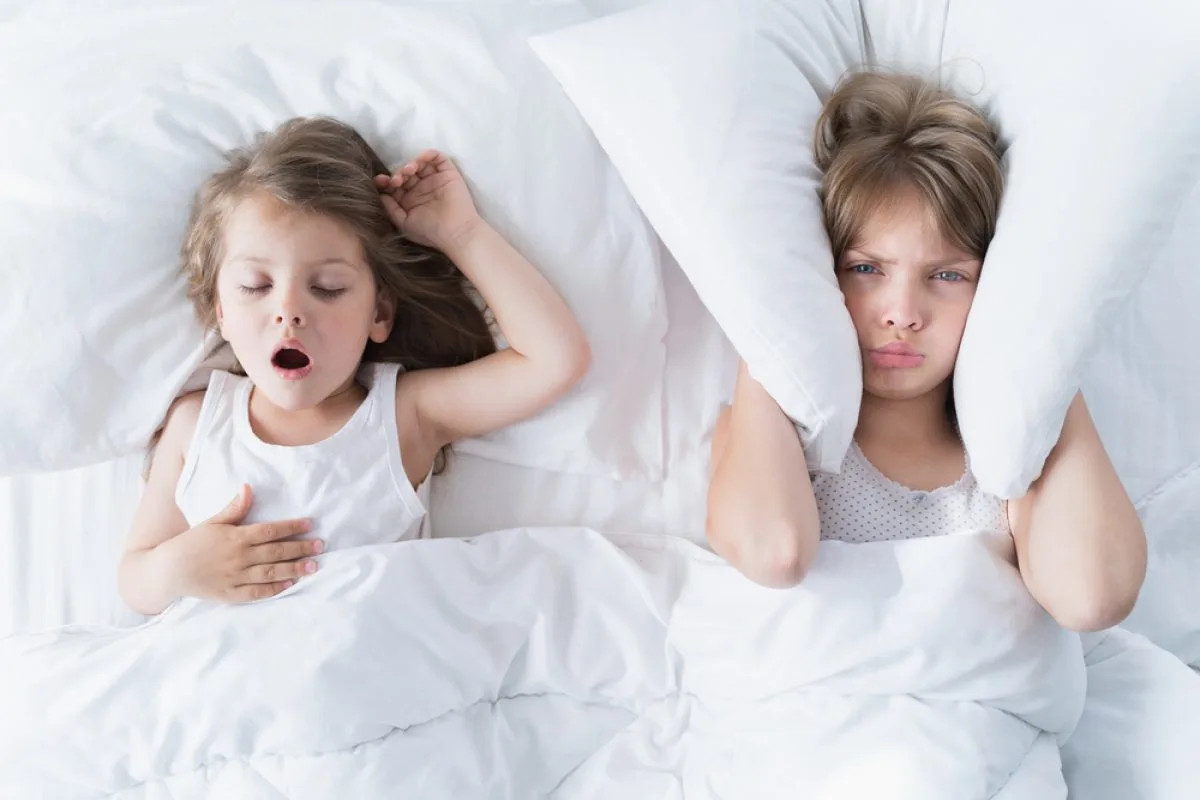
Allergies cause nasal congestion that blocks airways and forces children to breathe through their mouths at night. This mouth breathing leads to snoring and can develop into sleep apnea if left untreated. Dr. Bethaney Brenner has treated children with allergy-related sleep issues throughout Burlington, CT for over 40 years since 1980. She understands how allergies create a cycle of congestion, mouth breathing, and poor sleep quality.
How Allergic Rhinitis Blocks Airways
Allergic rhinitis causes persistent inflammation inside nasal passages. This swelling narrows the airways and makes breathing through the nose difficult or impossible. Children naturally switch to mouth breathing when their noses are blocked.
Mouth breathing during sleep creates the perfect conditions for snoring. The tongue falls backward, soft tissues vibrate, and airways become even more restricted. Chronic nasal congestion does more than cause snoring as the constant swelling weakens throat tissues over time.
Kids with untreated allergic rhinitis face increasing risks as inflammation persists. The airway becomes structurally vulnerable. What started as seasonal sniffles can develop into a serious breathing disorder that affects every aspect of your child’s health.
Recognizing When Snoring Signals a Bigger Problem
Not all snoring means sleep apnea, but persistent snoring with allergies deserves attention. Your child’s snoring pattern provides important clues about whether allergies are causing breathing problems during sleep. Listen for loud, consistent snoring night after night as loud snoring indicates significant airway obstruction.
Warning signs that snoring needs evaluation:
- Loud snoring every single night
- Gasping or choking sounds during sleep
- Pauses in breathing you can observe
- Restless sleep with frequent position changes
- Daytime sleepiness despite full nights in bed
- Mouth breathing even when awake
Watch for breathing pauses during snoring episodes. These apneas show that allergies have progressed beyond simple congestion. Daytime symptoms reveal how poor sleep affects your child as kids with allergy-induced sleep apnea often struggle in school.
Dr. Brenner’s training in multiple dental specialties since graduating from UConn School of Dental Medicine in 1979 helps her recognize facial and airway structures that contribute to breathing problems. She evaluates how allergies interact with physical development during routine examinations.
Diagnosing the Root Cause
Determining whether allergies or other factors cause your child’s snoring requires careful evaluation. Healthcare providers consider medical history, physical examination findings, and sometimes sleep studies to reach accurate diagnoses. Your child’s allergy history provides crucial context as seasonal patterns and known triggers help doctors understand the connection.
| Diagnostic Step | What It Reveals | Why It Matters |
| Medical History | Allergy patterns and triggers | Links symptoms to specific causes |
| Physical Exam | Nasal passage swelling and obstruction | Shows severity of inflammation |
| Allergy Testing | Specific allergen sensitivities | Guides targeted treatment plans |
| Sleep Study | Breathing patterns during sleep | Confirms sleep apnea diagnosis |
| Airway Evaluation | Structural issues contributing to blockage | Identifies physical factors beyond allergies |
Sleep studies provide definitive answers when the diagnosis remains unclear. These overnight tests monitor breathing patterns, oxygen levels, heart rate, and brain activity. Collaboration between allergists, sleep specialists, and dental professionals ensures comprehensive evaluation.
Treating Allergies to Improve Sleep
Effective allergy management directly improves breathing and reduces sleep apnea risk. Multiple treatment approaches work together to control inflammation and keep airways open during sleep. Nasal steroids target inflammation at its source by reducing swelling in nasal passages.
Antihistamines block allergic reactions before they cause congestion. Daily use during allergy seasons prevents the inflammation that leads to breathing problems. Immunotherapy provides long-term relief by retraining the immune system through allergy shots or sublingual tablets.
Allergy treatments that help breathing:
- Nasal steroid sprays to reduce inflammation
- Non-drowsy antihistamines for daily symptom control
- Allergy shots for long-term sensitivity reduction
- Saline rinses to clear congestion naturally
- Environmental controls to reduce allergen exposure
Environmental modifications reduce allergen exposure at home. HEPA air filters, hypoallergenic bedding, and regular cleaning all decrease the allergen load your child breathes. The American Dental Association recognizes connections between oral health, facial development, and breathing disorders.
Dr. Brenner’s holistic health practitioner certification and advanced training help her understand how treating allergies supports overall health and proper airway function. Less exposure means less inflammation and better breathing at night.
Acting Early to Prevent Complications
Catching the allergy-snoring connection early prevents sleep apnea from developing. Quick intervention protects your child’s growth, development, and quality of life during critical developmental years. Start treatment as soon as persistent snoring appears without waiting to see if it gets better.
Monitor how your child responds to allergy treatments. Snoring should decrease within a few weeks of starting medications. Regular follow-up appointments track progress and adjust treatments as needed.
Building a healthcare team creates comprehensive support. Your pediatrician coordinates overall care while an allergist manages allergy treatments. A sleep specialist evaluates breathing during sleep and Dr. Brenner assesses oral and facial structures.

Knowing When to Escalate Care
Sometimes allergy treatment alone isn’t enough. Certain symptoms indicate your child needs more intensive evaluation and intervention for sleep apnea beyond basic allergy management. Persistent snoring despite optimal allergy treatment signals deeper problems.
Observed breathing pauses during sleep always warrant immediate attention. These apneas mean airways are closing completely and your child isn’t getting enough oxygen. Worsening daytime symptoms reveal that sleep quality is declining as increased fatigue or behavior problems suggest breathing problems are affecting your child more severely.
Failure to thrive or poor growth patterns sometimes connect to sleep apnea. Children who don’t sleep well don’t produce adequate growth hormones. If your child isn’t growing as expected, sleep apnea might be contributing to the problem.
The Role of Dental Professionals
Pediatric dentists like Dr. Brenner often identify sleep-related breathing problems during routine examinations. Dental professionals see signs that other providers might miss during brief office visits. Mouth breathing leaves distinct marks on dental and facial development including crowded teeth and narrow palates.
Dr. Brenner’s position on the Connecticut State Dental Association Board of Governors reflects her commitment to comprehensive patient care. Her extensive training since establishing her practice in 1980 includes advanced orthodontics, which gives her expertise in facial growth patterns. Dental referrals to sleep specialists bridge important gaps in care.
Regular dental checkups throughout Burlington and Connecticut provide opportunities to catch problems early. Six-month visits allow monitoring of changes over time. Patterns emerge that reveal developing breathing issues before they become severe.
Creating Allergen-Free Sleep Spaces
Your child’s bedroom environment significantly impacts allergy symptoms and breathing quality during sleep. Simple modifications reduce allergen exposure and help children breathe easier all night long. HEPA air purifiers remove airborne allergens continuously by filtering out pollen, dust, pet dander, and mold spores.
Hypoallergenic bedding creates a protective barrier against dust mites. Special mattress covers, pillow protectors, and synthetic fill prevent allergen accumulation. Washing bedding weekly in hot water kills remaining mites and removes allergens.
Steps to reduce bedroom allergens:
- Use HEPA air purifiers rated for room size
- Install hypoallergenic mattress and pillow covers
- Wash bedding weekly in hot water (130°F minimum)
- Remove carpeting in favor of hard flooring
- Keep pets out of the bedroom completely
- Reduce stuffed animals and fabric decorations
- Control humidity between 30-50% to prevent mold
Keep humidity levels optimal to discourage mold growth. Too much moisture encourages mold and dust mites while too little dries out airways. Remove unnecessary fabric items from the bedroom as curtains, carpets, and stuffed animals collect allergens.
Protecting Development Through Better Sleep
Sleep apnea caused by allergies threatens multiple aspects of child development. Poor sleep affects physical growth, brain development, behavior, and academic performance. Growth hormones release during deep sleep stages and when allergies disrupt sleep, hormone production decreases.
Brain development requires quality sleep for memory consolidation and learning. Children with sleep apnea struggle academically because their brains can’t process information properly. Behavioral regulation depends on adequate rest as sleep-deprived children have more tantrums and emotional outbursts.
Social development suffers when kids are too tired to engage positively with peers. Children with sleep problems miss social cues, overreact to minor issues, and struggle to make friends. Better sleep supports better relationships and overall development.
Moving Forward With Comprehensive Care
Understanding the link between allergies and sleep apnea helps you protect your child’s health. Dr. Brenner’s four decades of experience guide families through these complex connections. Her holistic approach considers how allergies, breathing, facial structure, and overall health interact.
Early recognition and treatment of allergy-related snoring prevents progression to sleep apnea. Simple interventions like nasal steroids and environmental modifications often resolve breathing problems completely. Work with your healthcare team to create a personalized management plan for your child.
Don’t ignore persistent snoring in your child. Contact Dr. Brenner’s Burlington, CT office to discuss how allergies might be affecting your child’s breathing and sleep quality. Her extensive training and decades of experience provide the expert guidance your family needs to protect your child’s health and development.
Book Your Consultation Today!
Dr. Bethaney B. Brenner DMD
8 Milford St, Burlington, CT 06013
Frequently Asked Questions
How do allergies contribute to child snoring and sleep apnea?
Allergies cause inflammation and swelling inside nasal passages. This blocks airflow through the nose and forces children to breathe through their mouths. Mouth breathing leads to snoring because air moves differently through an open mouth. The tongue falls backward and soft tissues vibrate loudly. Over time, chronic inflammation weakens throat structures and increases sleep apnea risk as airways collapse during sleep.
Can treating allergies reduce the risk of sleep apnea in children?
Yes, effective allergy treatment significantly reduces sleep apnea risk. Nasal steroid sprays reduce inflammation and open airways for proper nose breathing. Antihistamines prevent allergic reactions that cause congestion. Environmental controls reduce allergen exposure that triggers inflammation. When allergies stay under control, children breathe through their noses naturally and snoring decreases. This prevents the progression from simple snoring to sleep apnea.
What are the signs my child’s snoring is related to allergies?
Watch for snoring that appears or worsens during allergy seasons. Notice if your child has other allergy symptoms like runny nose, itchy eyes, or frequent sneezing along with snoring. Persistent mouth breathing during the day suggests nasal congestion from allergies. If allergy treatment reduces snoring, this confirms the connection. Snoring that continues despite allergy treatment might indicate sleep apnea has developed and needs additional evaluation.
The information on this page is provided to help you understand general dental care and the preventive services we offer. It’s not a substitute for professional diagnosis or individualized treatment. Every patient’s needs are different, and your dentist will evaluate your oral health before recommending any specific care or procedure. (For personalized guidance, please schedule an appointment with a licensed dental professional.)
Related Articles