
Natural treatment pediatric sleep apnea is one of the most common questions parents ask when their child snores, mouth breathes, or wakes up exhausted. Many families hope there is a gentle, at-home solution that can improve sleep without medical intervention. While supportive habits can help overall comfort and breathing quality, they cannot replace proper diagnosis or treatment. Knowing the difference protects your child’s health and development.
Dr. Bethaney B. Brenner DMD has supported families in Burlington since 1980 and understands why parents look for natural options first. Her training spans orthodontics, airway-focused care, facial pain treatment, and holistic health counseling. She helps parents understand which supportive steps are reasonable and when medical care is essential. This balanced guidance helps families move forward without fear or confusion.
Why parents search for natural options first
When sleep problems affect a child, parents often feel urgency mixed with uncertainty. Many worry about testing, devices, or surgery, so they look for changes they can try immediately at home. Searching for natural treatment pediatric sleep apnea usually reflects a desire to protect a child, not avoid care.
Families in Town Center and surrounding Burlington neighborhoods often try home strategies before speaking with a provider. These efforts can support comfort, but they work best when paired with professional screening. Understanding this early helps parents avoid delays that can affect growth, learning, and behavior.
What pediatric sleep apnea actually requires to improve
Pediatric sleep apnea occurs when breathing is disrupted during sleep due to airway obstruction or collapse. Enlarged tonsils, adenoids, jaw structure, tongue posture, and facial growth patterns often contribute. Because the cause is physical, improvement usually requires medical evaluation.
Natural treatment pediatric sleep apnea strategies can support sleep quality, but they cannot remove obstructions or measure severity. A sleep study or specialist evaluation is often needed to understand what is happening. Supportive care works best when it complements, not replaces, medical treatment.
Supportive at-home habits that may help alongside care
Parents often ask what they can safely do at home while waiting for evaluation or treatment. Certain habits can support breathing comfort and sleep consistency. These steps do not treat sleep apnea itself, but they may reduce irritation or disruption.
The following supportive measures are commonly discussed with families in West Burlington. They should be used alongside professional care, not instead of it.
- Keeping a consistent bedtime and wake time
- Encouraging nasal breathing during the day
- Managing allergies with guidance from a pediatrician
- Using a humidifier if indoor air is dry
- Supporting healthy sleep posture
These habits help create a calmer sleep environment. They can make nights easier while medical evaluation is underway.
What natural approaches cannot fix on their own
It is important for parents to understand the limits of home care. At-home strategies cannot remove enlarged tonsils, guide jaw growth, or correct airway collapse during sleep. Supplements, essential oils, and breathing exercises cannot diagnose or resolve pediatric sleep apnea.
Many parents feel discouraged when these efforts do not lead to improvement. That reaction is normal. Natural treatment pediatric sleep apnea strategies are supportive tools, not solutions. Recognizing this helps families seek appropriate care sooner rather than later.
How dental screening fits into supportive care
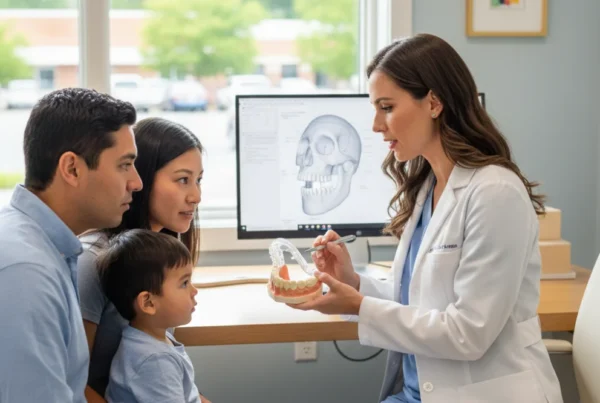
Dentists trained in airway awareness can identify structural patterns linked to sleep breathing issues. During a dental visit, signs such as narrow arches, crowded teeth, or chronic mouth breathing may be observed. These findings help guide referrals for medical evaluation.
At Dr. Bethaney B. Brenner DMD, screening focuses on education and coordination. Families near George Washington Turnpike and the Farmington River Valley often appreciate having another informed perspective. Natural treatment pediatric sleep apnea discussions are grounded in anatomy and growth, not trends.
Comparing supportive care and medical treatment paths
Parents often benefit from seeing how supportive care differs from clinical treatment. Both play valuable roles, but they serve different purposes. Understanding this distinction helps set realistic expectations.
| Approach | Primary Purpose | What It Helps | What It Cannot Do |
| Sleep routines and hygiene | Improve comfort | Sleep consistency | Fix airway obstruction |
| Allergy management | Reduce inflammation | Nasal breathing | Diagnose sleep apnea |
| Dental airway screening | Identify risk factors | Growth awareness | Diagnose OSA |
| Medical sleep study | Confirm diagnosis | Measure severity | Improve habits |
| ENT or sleep treatment | Restore airway | Breathing during sleep | Replace healthy routines |
Natural treatment pediatric sleep apnea strategies support comfort. Medical care addresses the cause. Both are important, but they are not interchangeable.
When relying only on home care may cause delays
One risk of using only at-home strategies is delayed diagnosis. Pediatric sleep apnea can affect learning, mood, growth, and overall health. Waiting too long may prolong these effects.
Parents in East Burlington and nearby areas often feel relief once they understand that evaluation does not automatically mean invasive treatment. It simply provides clarity. Early screening helps families make informed decisions at the right time.
What parents can do while waiting for evaluation
Parents do not need to choose between natural care and professional care. The safest path combines supportive habits with proper screening. Preparation helps appointments move faster and feel less overwhelming.
Before your visit, gather clear observations. Natural treatment pediatric sleep apnea conversations are more productive when based on patterns rather than guesswork.
- Record short sleep videos if safe
- Track bedtime, wake time, and nighttime disturbances
- Note daytime mood, focus, and energy changes
- List allergies, medications, and health history
- Ask your pediatrician about referral timing
These steps help parents feel proactive and informed. They also support better coordination between providers.
Taking the next step with Dr. Bethaney Brenner in Burlington, CT
Parents want reassurance, not pressure. They want to know they are doing what is best for their child. Dr. Bethaney B. Brenner DMD helps families understand which natural steps are helpful and when further evaluation is needed. Her experience allows parents to move forward with confidence rather than uncertainty.
The process begins with listening and thoughtful screening. From there, referrals are coordinated when appropriate, and families are supported through each decision. To start the conversation, call (860) 673-7155.
Frequently Asked Questions
Can natural treatments cure pediatric sleep apnea?
Natural approaches cannot cure pediatric sleep apnea. While certain habits may improve comfort, they do not correct airway obstruction or address the underlying cause. Medical evaluation is needed to understand severity and guide proper treatment.
Do breathing exercises help pediatric sleep apnea?
Breathing exercises can support awareness and healthy daytime habits, but they do not treat sleep-related airway blockage. They are best viewed as a supportive tool rather than a replacement for medical care. Proper treatment focuses on what happens during sleep, not just daytime breathing.
Are humidifiers or allergy control enough?
Humidifiers and allergy management may reduce irritation and improve comfort, especially during colds or allergy seasons. However, they cannot resolve pediatric sleep apnea on their own. When symptoms continue despite these measures, further evaluation is important.
When should parents stop relying on at-home care?
If symptoms such as snoring, breathing pauses, or daytime behavior changes persist beyond a few weeks, it is time to seek professional guidance. Ongoing symptoms deserve a closer look, even if they seem mild at first. Early evaluation helps families move forward with clarity and confidence.