Constant tiredness in children often gets dismissed as normal childhood behavior, but persistent daytime fatigue can be a warning sign of pediatric sleep apnea. This condition disrupts sleep quality even when children seem to get adequate hours of rest, leading to exhaustion, behavioral problems, and learning difficulties during the day.
Key signs include loud snoring, difficulty waking up, hyperactivity that mimics ADHD, and frequent morning headaches. Working with experienced professionals like Dr. Bethaney Brenner in Burlington, Connecticut, helps ensure that chronic fatigue gets properly evaluated and doesn’t impact your child’s development and wellbeing.
Why Your Child’s Exhaustion Might Be More Than Just Being Active
Many parents assume that constant tiredness in children is just part of being a kid. After all, children are naturally active and busy throughout the day. However, persistent fatigue that affects your child’s mood, behavior, or school performance deserves closer attention.
Dr. Bethaney Brenner has spent over four decades treating Burlington families and recognizes that daytime fatigue is often the first sign parents notice when their child has sleep apnea. Her extensive training with the Connecticut State Dental Association and recognition as America’s Best Dentist gives her unique insight into how sleep disorders affect children’s daily functioning.
The key difference between normal tiredness and sleep apnea-related fatigue is consistency and impact. Normal childhood tiredness comes and goes based on activity levels and sleep schedules. Sleep apnea fatigue persists even when children get adequate sleep hours and affects multiple areas of their lives.
Children with sleep apnea may seem to sleep through the night, but their sleep quality is severely compromised. They experience frequent brief awakenings and oxygen level drops that prevent deep, restorative sleep. This leaves them exhausted despite spending enough time in bed.
Hidden Signs That Look Like Normal Kid Behavior
Sleep apnea symptoms in children often masquerade as typical childhood behaviors, making them easy to overlook. Learning to recognize these hidden signs can help you identify when your child needs professional evaluation.
Hyperactivity is one of the most commonly misunderstood symptoms. Children with sleep apnea often appear overly energetic and unable to sit still. This hyperactivity stems from their bodies working overtime to stay alert despite being sleep-deprived.
Teachers and parents might assume these children simply have high energy levels or attention problems. In reality, their bodies are fighting fatigue by producing stress hormones that create restless, hyperactive behavior.
Mood swings and emotional instability are also frequent signs of sleep-related exhaustion. A typically cheerful child might become irritable, cry easily, or have emotional outbursts over minor issues. These mood changes often worsen throughout the day as fatigue accumulates.
Academic difficulties can develop when chronic fatigue affects concentration and memory. Previously successful students might struggle with basic tasks, forget instructions, or have trouble focusing during lessons. These cognitive impacts often appear gradually, making them harder to connect to sleep problems.
The Morning Clues Your Child’s Body Is Telling You
Morning symptoms provide important clues about what happened during your child’s sleep. These signs are often dismissed as minor issues, but they can indicate serious sleep disruption.
Difficulty waking up is one of the clearest morning indicators. Children with sleep apnea often seem impossible to rouse, even after adequate sleep hours. They might be groggy, confused, or upset when awakened, requiring multiple attempts to get them moving.
Morning headaches occur frequently in children with sleep apnea. These headaches result from oxygen level drops during the night and often improve as the day progresses. Regular morning headaches in children should always be evaluated professionally.
Sore throats upon waking can indicate mouth breathing during sleep. When nasal passages are blocked or breathing is difficult, children breathe through their mouths all night. This dries out throat tissues and creates discomfort.
Bed-wetting in older children who were previously dry at night might also signal sleep apnea. Deep sleep disruption can affect the brain signals that normally wake children when they need to use the bathroom.
When Normal Sleep Rules Don’t Work
Parents often try standard sleep hygiene approaches when their child seems tired, but these methods don’t address the underlying breathing problems that cause sleep apnea. Understanding these limitations helps explain why some children don’t improve with typical sleep interventions.
Consistent bedtimes and calming routines are important for good sleep, but they can’t overcome physical airway obstructions. A child who follows perfect sleep hygiene might still experience interrupted breathing dozens of times per night.
Removing screens and creating peaceful environments supports healthy sleep, but these changes don’t help when tonsils, adenoids, or other tissues block breathing passages. The physical obstructions remain regardless of environmental improvements.
Sleep hygiene focuses on falling asleep and staying asleep, while sleep apnea involves repeated breathing interruptions throughout the night. Even children who appear to sleep soundly may experience constant sleep fragmentation from breathing difficulties.
This is why children with sleep apnea often remain tired despite following all the “right” sleep practices. Their fatigue stems from poor sleep quality, not inadequate sleep quantity or poor sleep habits.
The Serious Health Risks of Ignoring Persistent Fatigue
Chronic fatigue from untreated sleep apnea can lead to significant health problems that extend far beyond just feeling tired. Understanding these risks helps explain why persistent exhaustion deserves immediate professional attention.
Cardiovascular stress develops when children experience repeated oxygen drops during sleep. Each breathing interruption forces the heart to work harder, potentially leading to high blood pressure and other heart problems even in young children.
Cognitive development suffers when the brain doesn’t get adequate restorative sleep. Memory consolidation, learning, and attention all require deep sleep phases that sleep apnea disrupts. Children may struggle academically despite normal intelligence and effort.
Growth delays can occur because growth hormone is primarily released during deep sleep. Children with sleep apnea may grow more slowly than their peers and potentially not reach their full height potential without treatment.
Immune system weakening makes children more susceptible to frequent illnesses. Poor sleep quality impairs the body’s ability to fight infections, leading to more colds, ear infections, and other health problems.
Behavioral and emotional problems often worsen over time without treatment. Children may develop anxiety, depression, or aggressive behaviors as chronic fatigue affects their emotional regulation and stress response systems.
Recognizing When Professional Help Is Essential
Knowing when to seek medical evaluation for your child’s fatigue can prevent minor problems from becoming major health issues. Certain symptoms require immediate professional attention regardless of how well your child seems to sleep.
Loud, regular snoring in children is never normal and should always be evaluated. Unlike adults who might snore occasionally, children typically breathe quietly during sleep. Persistent snoring often indicates airway obstruction.
Witnessed breathing pauses during sleep require urgent medical attention. If you notice your child stop breathing for several seconds, then gasp or snort as breathing resumes, this is a clear sign of sleep apnea that needs immediate evaluation.
Extreme daytime sleepiness that affects your child’s daily functioning warrants professional assessment. Children who fall asleep during meals, while playing, or during other activities are showing signs of severe sleep deprivation.
Behavioral problems that don’t respond to typical parenting strategies might stem from sleep issues. If hyperactivity, attention problems, or mood swings persist despite consistent routines and expectations, consider sleep apnea as a possible cause.

How Sleep Specialists and Dental Professionals Work Together
Addressing pediatric sleep apnea effectively often requires a team approach involving multiple healthcare professionals who understand how sleep affects child development.
Sleep specialists bring expertise in diagnosing and treating sleep disorders through comprehensive evaluations and sleep studies. They can determine the severity of sleep apnea and recommend appropriate treatments based on your child’s specific situation.
Dental professionals like Dr. Brenner play a crucial role in identifying and treating structural issues that contribute to sleep apnea. During routine checkups, they can spot enlarged tonsils, jaw positioning problems, or other oral factors affecting breathing.
Dr. Brenner’s involvement with prestigious organizations like the Pierre Fauchard Academy and International College of Dentistry reflects her commitment to comprehensive care. Her holistic approach includes understanding how sleep problems affect overall health and development.
ENT specialists may be needed when anatomical factors like enlarged adenoids or chronic nasal congestion contribute to breathing problems. They can evaluate whether surgical interventions might benefit your child’s breathing.
Pediatricians coordinate overall care and monitor how sleep apnea affects your child’s growth, development, and general health. They ensure that all treatments work together effectively and safely.
Supporting Your Child Through Evaluation and Treatment
Getting help for your child’s sleep problems can feel overwhelming, but understanding the process and knowing what to expect can make the experience less stressful for your family.
Keep detailed records of your child’s symptoms to help healthcare providers understand the scope of the problem. Note snoring patterns, difficulty waking up, daytime tiredness, and any behavioral changes you observe.
Prepare your child for medical appointments by explaining that doctors want to help them sleep better and feel more rested. Most children feel relieved to learn that their tiredness and behavioral struggles have a medical explanation and solution.
Sleep studies, if recommended, are designed to be as comfortable as possible for children. Many sleep centers have family-friendly environments with favorite movies, books, and comfortable accommodations to help children feel at ease.
Treatment success often happens gradually, so be patient as your child adjusts to new interventions. Many families see improvements in behavior, mood, and energy levels within weeks of starting effective treatment.
Prevention Strategies That Support Healthy Sleep
While not all cases of sleep apnea can be prevented, there are steps families can take to promote healthy sleep and reduce risk factors that contribute to breathing problems during sleep.
Maintaining a healthy weight through balanced nutrition and regular physical activity helps prevent weight-related airway problems. Focus on family-wide healthy habits rather than singling out any individual child.
Managing allergies effectively reduces nasal congestion that can worsen sleep breathing problems. Work with your healthcare providers to identify and treat allergies that affect your child’s ability to breathe through their nose.
Creating optimal sleep environments supports the best possible sleep quality. Keep bedrooms cool, dark, and quiet, and ensure your child has comfortable bedding and adequate space to sleep peacefully.
Here are key environmental factors that promote healthy sleep:
- Temperature between 65-70 degrees Fahrenheit for comfortable breathing
- Humidity levels that prevent overly dry or moist air
- Air purifiers to reduce allergens during Connecticut’s seasonal changes
- Comfortable, allergen-resistant bedding materials
- Quiet, peaceful sleeping spaces free from disruptions
Regular healthcare visits allow for early detection of problems before they become serious. Dr. Brenner’s decades of experience serving Burlington families demonstrates the value of consistent, preventive healthcare relationships.
Building Long-Term Success for Your Child’s Health
Addressing daytime fatigue and sleep apnea early in childhood sets the foundation for better health and development throughout your child’s life. The benefits of treatment extend far beyond just better sleep.
Academic performance often improves dramatically once children start getting quality rest. Better concentration, improved memory, and increased energy levels help children succeed in school and enjoy learning.
Social and emotional development benefits when children have the energy and emotional stability to interact positively with peers. Many families notice improvements in friendships and family relationships once sleep problems are resolved.
Physical health and growth patterns typically normalize with effective treatment. Children often experience catch-up growth and fewer illnesses once their sleep quality improves.
The habits and knowledge gained through addressing sleep problems serve families well throughout childhood and beyond. Children learn the importance of healthy sleep and develop skills for maintaining good sleep habits as they grow.
Hope for Tired Families
The encouraging news about pediatric sleep apnea is that it’s very treatable, and most children show significant improvement once the underlying breathing problems are addressed. Early intervention leads to the best outcomes for long-term health and development.
Dr. Brenner’s recognition as America’s Best Dentist reflects her commitment to providing families with the most effective treatment options available. Her comprehensive approach addresses both immediate sleep concerns and long-term health goals.
Family life often improves dramatically when everyone starts getting better sleep. Children become easier to live with, stress levels decrease, and families can focus on enjoying time together rather than managing constant fatigue and behavioral problems.
Remember that persistent fatigue in children is not normal and deserves professional attention. Trust your instincts as a parent, and don’t hesitate to seek help if your child’s tiredness is affecting their daily life, mood, or development.
Book Your Consultation Today!
Dr. Bethaney B. Brenner DMD
8 Milford St, Burlington, CT 06013
Frequently Asked Questions
What causes daytime fatigue in children?
Daytime fatigue in children can result from poor sleep quality, even when they seem to get enough hours of sleep. Pediatric sleep apnea is a common cause, where breathing interruptions during sleep prevent deep, restorative rest. Other factors include irregular sleep schedules, medical conditions, or medications, but persistent fatigue that affects school performance or behavior warrants professional evaluation.
Can pediatric sleep apnea be treated successfully?
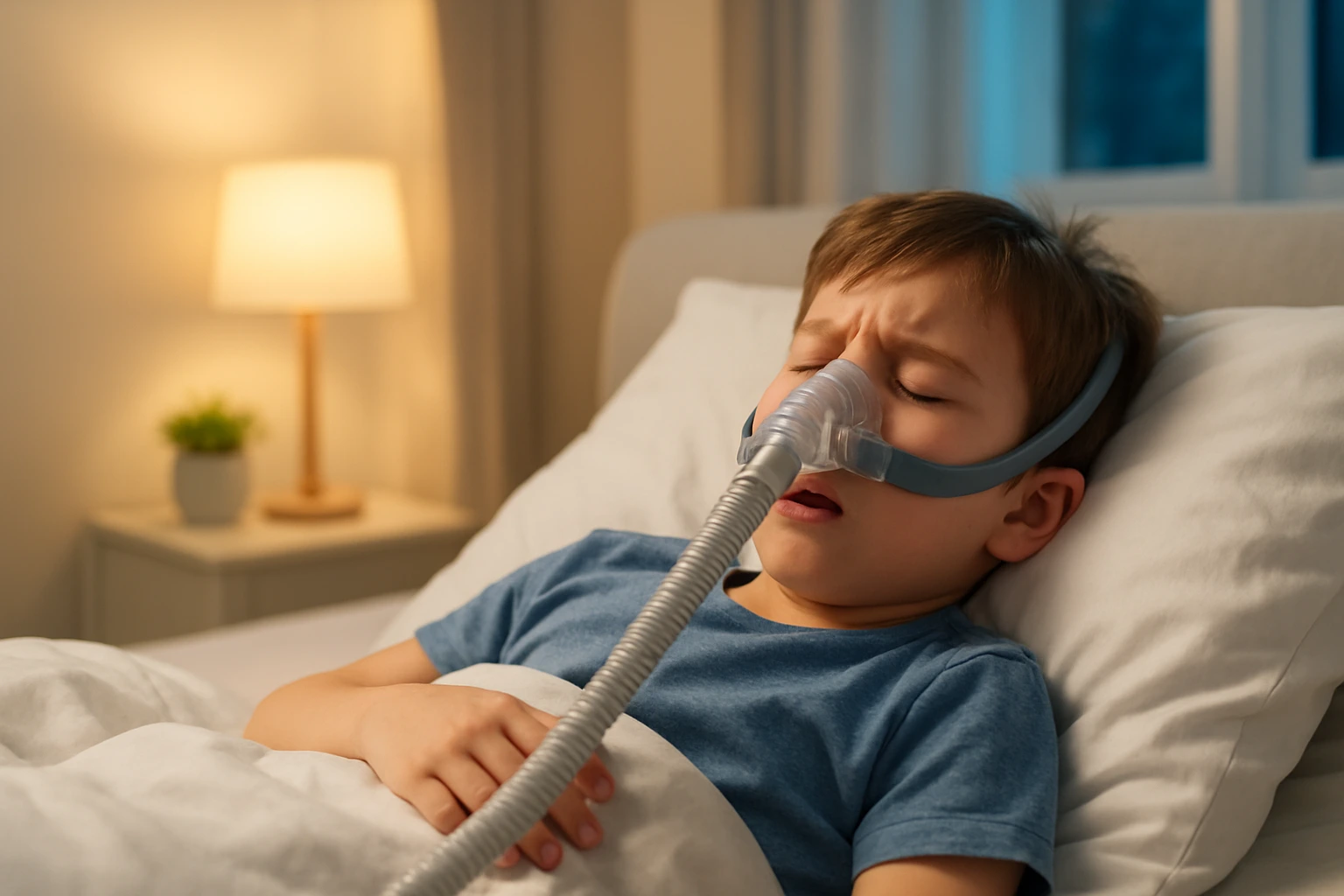
Yes, pediatric sleep apnea responds very well to appropriate treatment. Options range from lifestyle changes like weight management and allergy control to medical devices like CPAP machines or surgical interventions for enlarged tonsils and adenoids. Early diagnosis and treatment are crucial for preventing long-term complications and helping children achieve normal sleep and development.
How do I know if my child’s fatigue is normal or a sign of sleep apnea?
Normal childhood tiredness is occasional and related to activity levels or late bedtimes. Concerning fatigue is persistent, affects multiple areas of life, and occurs despite adequate sleep hours. Warning signs include loud snoring, difficulty waking up, hyperactivity, mood swings, and academic problems. If fatigue consistently impacts your child’s daily functioning, seek professional evaluation promptly.
Related Articles