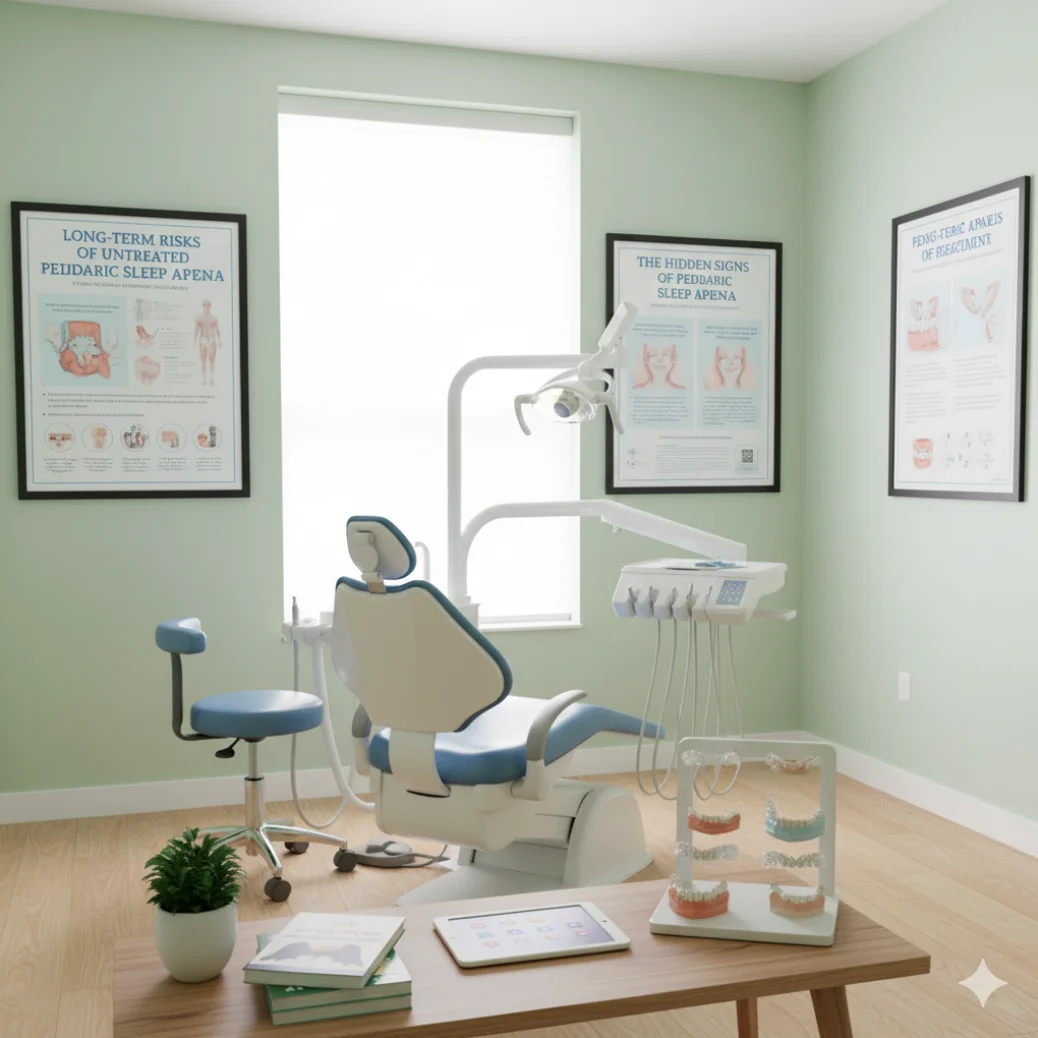
When children experience poor sleep due to untreated pediatric sleep apnea, it can lead to more than just tired mornings. Interrupted breathing during sleep can affect growth, heart health, and brain development. Recognizing these long-term risks early allows parents to take proactive steps that protect their child’s future health and well-being.
Dr. Bethaney Brenner DMD of The Burlington Dentist in Burlington, CT, has dedicated her career to helping children breathe, sleep, and grow properly. A graduate of the University of Connecticut’s School of Dental Medicine, she brings over four decades of experience in pediatric and airway dentistry. Dr. Brenner’s compassionate, holistic approach emphasizes both immediate comfort and long-term health, giving parents peace of mind that their child’s care is in trusted hands.
How Untreated Pediatric Sleep Apnea Affects Growth and Development
Children need deep, uninterrupted sleep for growth and recovery. During these vital hours, the body releases hormones that support development, strengthen the immune system, and stabilize mood. When breathing stops repeatedly due to airway obstruction, this process is disrupted.
Parents in Town Center and Wildcat Road often notice slowed growth, mood swings, or fatigue that they don’t immediately connect to sleep apnea. Over time, the lack of deep sleep can delay physical growth and impair concentration, making early diagnosis and treatment critical.
The Link Between Poor Sleep and Cognitive Function
Children rely on restful sleep for brain development. Oxygen deprivation caused by sleep apnea can hinder learning, memory, and focus. Over time, these interruptions may contribute to attention issues or reduced academic performance.
Parents frequently report significant improvements in concentration and mood once treatment begins. This highlights how deeply sleep and cognitive performance are connected in growing children.
Short-Term vs. Long-Term Effects of Sleep Apnea
The symptoms of pediatric sleep apnea may appear mild at first, but they can worsen with time. The table below compares short-term symptoms with long-term consequences:
| Category | Short-Term Effects | Long-Term Risks |
| Behavior | Irritability, mood swings | ADHD-like symptoms, anxiety, depression |
| Growth | Fatigue, reduced appetite | Delayed growth, hormonal imbalance |
| Cardiovascular | Restless sleep | High blood pressure, heart strain |
| Learning | Difficulty focusing | Lower academic performance, memory problems |
| Oral Health | Mouth breathing | Narrow jaw, orthodontic issues |
Identifying these patterns early helps prevent long-lasting complications and supports healthier development.
How Sleep Apnea Impacts Heart and Lung Health
Interrupted breathing causes the heart to work harder to deliver oxygen to the body. Over time, this added strain can lead to elevated blood pressure and potential heart complications. Children who wake frequently or gasp during sleep may already be showing early signs of cardiovascular stress.
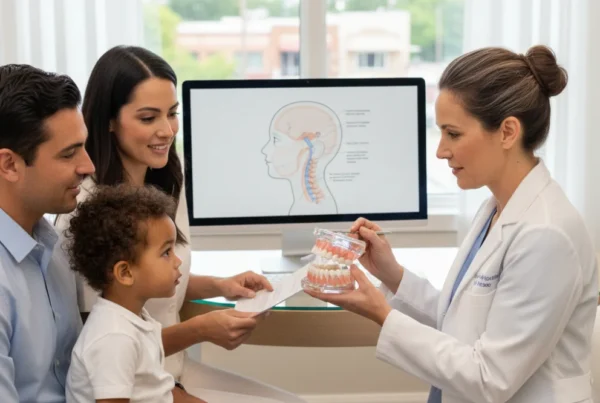
Dr. Brenner’s airway-focused dental care includes a detailed evaluation of the jaw, palate, and oral structures. By identifying potential airway restrictions, she helps families understand how improving airflow protects both short-term and long-term health.

Emotional and Behavioral Consequences
Lack of quality sleep can affect how children think, act, and feel. Many kids appear distracted or irritable because they’re not getting restorative rest. Over time, sleep deprivation can increase the risk of anxiety, depression, and social difficulties.
Families in Riverview and Farmington River Valley often report that addressing sleep apnea leads to improved behavior and happier mornings. Quality sleep supports both emotional balance and healthy relationships.
Warning Signs Parents Should Never Ignore
Parents may overlook the signs of pediatric sleep apnea because they mimic common childhood behavior. Recognizing these red flags is essential:
- Loud, habitual snoring that lasts for weeks or months
- Pauses in breathing or gasping during sleep
- Mouth breathing while awake or asleep
- Daytime irritability, sluggishness, or trouble focusing
- Slow growth or falling behind on milestones
If these symptoms persist, it’s time to schedule a professional evaluation.
Treatment Options That Support Healthy Development
Pediatric sleep apnea is treatable. The right approach depends on the cause and severity of the condition but often includes:
- Oral Appliances: Custom-made devices that reposition the jaw or tongue to improve airflow
- Tonsil or Adenoid Removal: For children whose enlarged tissues obstruct the airway
- Orthodontic Expansion: Widening the palate helps improve nasal breathing and overall development
- Lifestyle Adjustments: Managing allergies, maintaining a healthy weight, and improving sleep routines
Dr. Brenner collaborates with pediatricians and sleep specialists to design care plans that enhance breathing, growth, and sleep quality.
Taking the Next Step
Every child deserves restful sleep and the chance to reach their full potential. At The Burlington Dentist, Dr. Bethaney Brenner serves as a trusted guide for parents seeking real answers and lasting solutions. Her approach aligns with the StoryBrand philosophy: the parent is the hero, and Dr. Brenner provides the expert guidance to help their child thrive.
If your child struggles with restless nights or symptoms of sleep apnea, now is the time to act. Schedule a consultation today and begin the journey toward better breathing, healthier growth, and renewed energy for your child.
Frequently Asked Questions
What are the long-term risks of untreated pediatric sleep apnea?
Sleep apnea affects much more than nighttime breathing, untreated cases can impact a child’s health and future long after symptoms begin.
What people should be asking instead: What health problems can develop if pediatric sleep apnea isn’t addressed early?
- Untreated pediatric sleep apnea can lead to stunted growth, delayed puberty, high blood pressure, heart problems, insulin resistance, and increased risk of diabetes as children grow older.
- Neurocognitive and behavioral problems, such as poor academic performance, attention deficits, and mood swings, are common and may persist even after treatment.
- The health risks can follow children into adulthood, increasing their risk for obesity, heart disease, and metabolic disorders later in life.
Sleep-Disordered Breathing in Children: Long-Term Health Impacts (USC, 2025)
Can untreated sleep apnea affect school performance?
Daytime drowsiness and poor concentration are often overlooked symptoms that can threaten a child’s academic future.
What people should be asking instead: How does poor sleep from apnea interfere with learning and memory?
- Repeated sleep disruptions and oxygen deprivation caused by sleep apnea can reduce a child’s ability to pay attention, remember new information, and learn effectively.
- Untreated sleep apnea is closely linked with behavioral issues (including ADHD), lower test scores, and difficulty following instructions at school.
- Early treatment can improve focus, memory, mood, and overall academic achievement.
Obstructive Sleep Apnea – NHLBI/NIH
Is mouth breathing always caused by sleep apnea?
Not all mouth breathing signals airway obstruction or apnea, but some forms do, dental assessment can uncover hidden risks.
What people should be asking instead: What else causes mouth breathing, and when should parents be concerned?
- Mouth breathing may result from allergies, chronic nasal congestion, enlarged tonsils or adenoids, or structural airway differences, not just sleep apnea.
- Children who mouth-breathe often have daytime tiredness, dry mouth, or dental issues, dental professionals are trained to identify structural problems and refer for further care.
- Evaluation by a dentist and sleep specialist is important if mouth breathing is frequent, noisy, or associated with snoring or restless sleep.