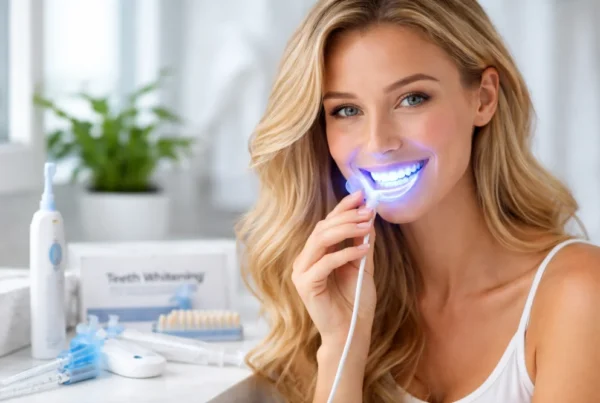
Whitening toothpaste does much more than just make your teeth look whiter, it actually helps keep your whole mouth healthier every day. While regular toothpaste cleans your teeth, whitening toothpaste has special ingredients that gently polish away stains while also fighting cavities and protecting your gums from bacteria. Think of it like a superhero toothpaste that has multiple powers to keep your smile both beautiful and healthy at the same time.
Dr. Bethaney Brenner in Burlington, Connecticut has over 40 years of experience helping patients understand how different dental products can improve their oral health. As a graduate of the University of Connecticut School of Dental Medicine and a holistic health practitioner, she knows that the best approach to dental care considers both the appearance and health of your teeth and gums. Her recognition as one of America’s Best Dentists comes from her ability to help patients choose products that support their overall wellness goals.
The key to getting the most benefit from whitening toothpaste is understanding that it’s not just about making teeth whiter, it’s about creating a daily routine that prevents problems before they start. Dr. Brenner’s extensive training and teaching experience since 1980 help her guide patients toward whitening toothpastes that provide the right balance of stain removal, cavity protection, and gentle care that can be used safely every day.
How Whitening Toothpaste Protects Your Health
Whitening toothpaste contains special ingredients that work together to keep your mouth healthy while gradually making your teeth look brighter and cleaner. The most important ingredient for your health is fluoride, which strengthens your tooth enamel and helps prevent cavities from forming. This means that while the toothpaste is working to remove stains, it’s also making your teeth stronger and more resistant to decay.
Many whitening toothpastes also contain antibacterial agents like hydrogen peroxide that kill harmful bacteria in your mouth before they can cause gum disease or tooth decay. These bacteria are always trying to build up on your teeth in a sticky film called plaque, but the antibacterial ingredients help disrupt this process and keep your mouth cleaner.
The gentle abrasives in whitening toothpaste work like very fine sandpaper to polish away surface stains without damaging your tooth enamel. Unlike harsh scrubbing that could wear away your teeth, these carefully chosen abrasives are just strong enough to remove stains but gentle enough to use every day without causing harm.
Understanding What Makes Teeth White and Healthy
The science behind whitening toothpaste shows that keeping teeth white and keeping them healthy often involves the same processes and ingredients. When your teeth are free from plaque buildup and surface stains, they not only look better but they’re also healthier because harmful bacteria have fewer places to hide and multiply. Dr. Brenner’s holistic approach to dental care emphasizes this connection between appearance and health.
Plaque control is one of the most important functions of any toothpaste, and whitening formulas are particularly good at this because their mild abrasives help break up the sticky bacterial film that forms on teeth throughout the day. When plaque is removed regularly, it can’t harden into tartar or cause the inflammation that leads to gum disease.
Fluoride strengthening happens every time you brush with fluoride-containing whitening toothpaste, as the mineral penetrates your tooth enamel and helps repair tiny weak spots before they can become cavities. This process actually makes your teeth more resistant to the acids that bacteria produce when they eat sugars in your mouth.
Cavity prevention is a natural result of using whitening toothpaste consistently because the combination of plaque removal, fluoride strengthening, and antibacterial action creates an environment where harmful bacteria can’t thrive. Here’s how whitening toothpaste protects your oral health:
- Gentle abrasives remove plaque and surface stains without damaging enamel
- Fluoride strengthens teeth and helps prevent decay from starting
- Antibacterial ingredients reduce harmful bacteria that cause gum disease
- Regular use creates an environment that discourages plaque buildup
Dr. Brenner’s role as Treasurer on the Connecticut State Dental Association Board of Governors keeps her informed about the latest research on how different toothpaste ingredients affect both dental health and appearance.
Addressing Common Concerns About Safety
Many people worry that whitening toothpaste might be too harsh for daily use or could damage their tooth enamel over time, but these concerns are usually based on misconceptions about how modern whitening toothpastes are formulated. Understanding the safety features built into quality whitening toothpastes helps you feel confident about using them as part of your daily routine.
Enamel safety is carefully considered in the development of whitening toothpastes, with abrasive levels specifically designed to be effective against stains while remaining gentle enough for everyday use. The presence of fluoride in these toothpastes actually helps strengthen enamel, creating a protective effect that more than compensates for any minor abrasive action.
Sensitivity concerns can be managed by choosing whitening toothpastes that include desensitizing ingredients like potassium nitrate, which helps block pain signals from reaching the nerves inside your teeth. Many people who thought they couldn’t use whitening products find that these specially formulated toothpastes allow them to whiten their teeth comfortably.
Choosing the Right Whitening Toothpaste
Selecting the best whitening toothpaste for your individual needs requires understanding the different types of whitening agents and how they work with your specific dental health situation. Dr. Brenner’s 40+ years of experience help patients navigate the many options available and find products that will be both safe and effective for their particular circumstances.
Whitening agents in toothpaste typically include mild abrasives, hydrogen peroxide, or other gentle bleaching compounds that work to remove surface stains without penetrating deep into the tooth structure. The concentration of these agents is carefully regulated to ensure they’re strong enough to be effective but mild enough for daily use.
Abrasiveness levels vary between different whitening toothpastes, and choosing the right level depends on factors like how stained your teeth are, how sensitive they tend to be, and whether you have any existing dental work that might be affected by abrasive ingredients.

Professional Guidance for Best Results
Working with an experienced dentist like Dr. Brenner ensures that your choice of whitening toothpaste supports your overall oral health goals while providing the whitening results you want. Her holistic health background and extensive dental experience allow her to recommend products that work well with your individual health needs and lifestyle factors. Professional guidance is especially valuable because what works well for one person might not be the best choice for another.
Personalized recommendations take into account your current oral health, any existing dental work, your sensitivity level, and your specific whitening goals to identify the most appropriate products for your situation. Dr. Brenner’s teaching experience helps her explain how different ingredients work and why certain formulations might be better suited to your needs.
When to Seek Professional Advice
Knowing when to consult with your dentist about your whitening toothpaste routine helps ensure that you’re getting the best possible results while maintaining optimal oral health. Certain signs and symptoms indicate that professional evaluation or adjustment of your routine might be beneficial.
New or increased tooth sensitivity after starting a whitening toothpaste could indicate that the formulation is too strong for your teeth or that you’re brushing too vigorously. Dr. Brenner can help determine whether you need a gentler product or different technique to achieve comfortable whitening results.
Lack of whitening results after several weeks of consistent use might suggest that your stains are too deep for toothpaste alone to address, or that professional treatment would be more effective for achieving your desired results.
Integrating Whitening Toothpaste with Complete Oral Care
The most effective approach to using whitening toothpaste involves incorporating it into a comprehensive oral care routine that includes professional cleanings, proper nutrition, and healthy lifestyle choices. Dr. Brenner’s comprehensive approach ensures that patients understand how all aspects of their oral care work together to create optimal health and appearance results.
Professional dental cleanings remove tartar and deep stains that no toothpaste can eliminate, creating a clean foundation that allows whitening toothpaste to work more effectively on maintaining results between visits. Regular cleanings also help prevent the buildup of stains and plaque that could interfere with your whitening goals.
Dietary choices play a significant role in how well whitening toothpaste can maintain your results, with foods and beverages that stain teeth requiring extra attention to oral hygiene. Understanding which foods support your whitening efforts and which ones require careful management helps maximize the effectiveness of your daily routine.
Your Daily Foundation for Oral Health
Whitening toothpaste serves as an excellent foundation for daily oral care because it addresses multiple aspects of dental health while gradually improving the appearance of your teeth. Understanding that whitening and health often go hand in hand helps you appreciate the comprehensive benefits of incorporating quality whitening toothpaste into your routine. Dr. Brenner’s recognition as one of America’s Best Dentists reflects her understanding of how cosmetic and health benefits work together in comprehensive dental care.
Consistent daily use of appropriate whitening toothpaste creates cumulative benefits that build over time, with both health and appearance improvements becoming more noticeable with regular use. The key is choosing products that balance effectiveness with gentleness, allowing for sustainable long-term use without compromising dental health.
Professional oversight ensures that your whitening toothpaste routine remains appropriate for your changing needs and continues to support both your oral health and aesthetic goals. With Dr. Brenner’s guidance and 40+ years of experience, patients can feel confident that their daily oral care routine is optimized for both immediate results and long-term success.
Book Your Consultation Today!
Dr. Bethaney B. Brenner DMD
8 Milford St, Burlington, CT 06013
Frequently Asked Questions
Can whitening toothpaste really improve my dental health?
Yes, quality whitening toothpaste contains ingredients like fluoride for cavity prevention and antibacterial agents that help fight plaque and gum disease. The gentle abrasives that remove stains also help disrupt harmful bacterial buildup, making whitening toothpaste beneficial for both appearance and oral health.
Is it safe to use whitening toothpaste every day?
When chosen appropriately and used as directed, whitening toothpaste is designed for daily use. The key is selecting products with mild abrasives and protective ingredients like fluoride. Dr. Brenner can help you choose a formulation that’s both effective and gentle enough for your individual needs.
Will whitening toothpaste make my teeth sensitive?
Modern whitening toothpastes often include desensitizing ingredients to minimize discomfort, but some people may still experience sensitivity. If this occurs, Dr. Brenner can recommend gentler formulations or suggest techniques to reduce sensitivity while still achieving whitening benefits.