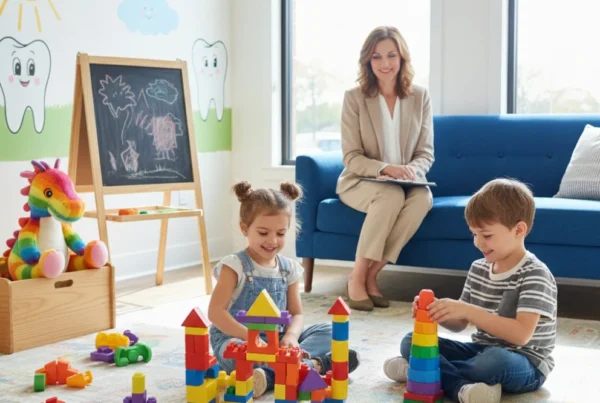
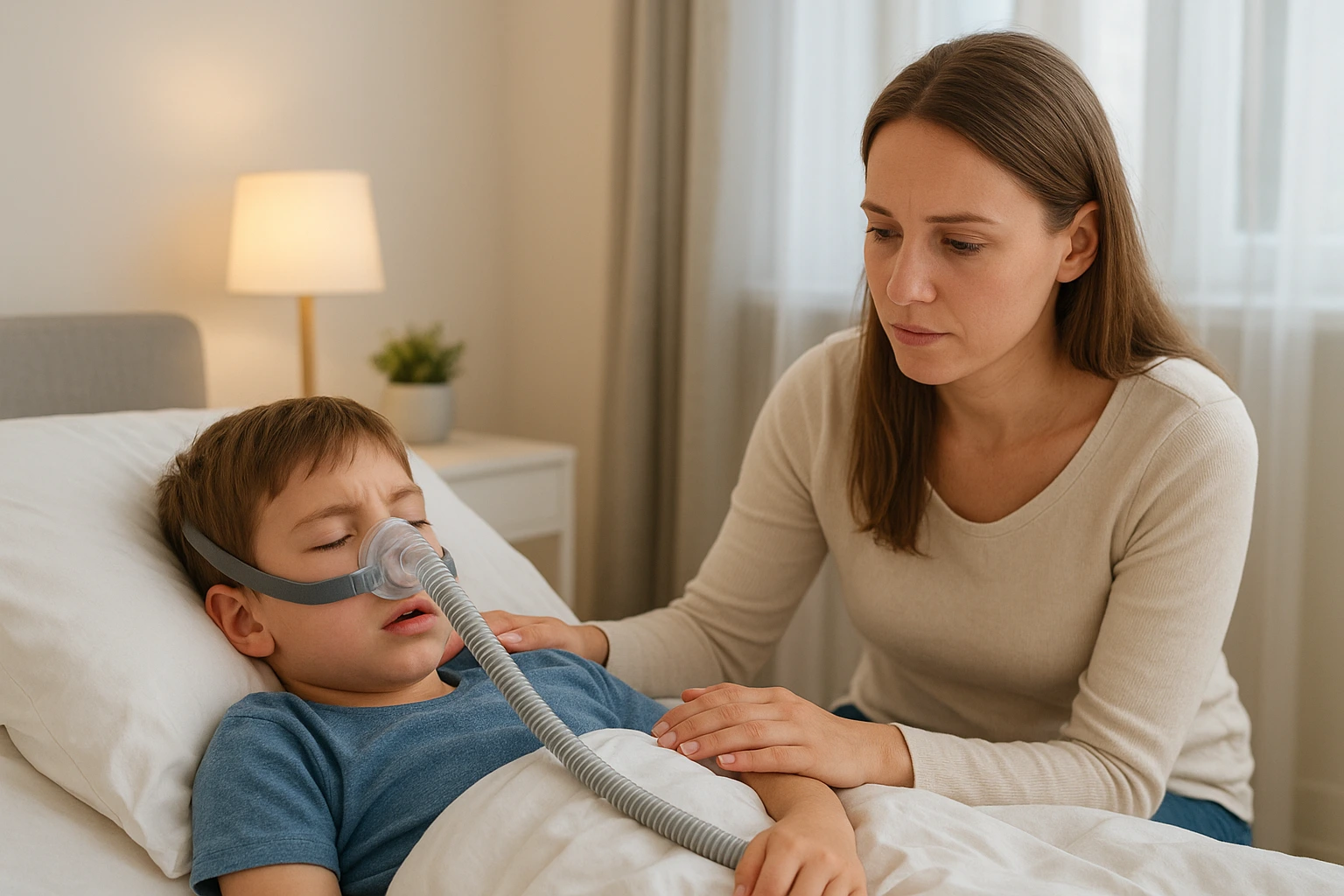
Sleep studies for children can seem intimidating, but understanding what happens during the test helps reduce anxiety for both parents and kids. The overnight evaluation involves gentle, painless sensors that monitor breathing, heart rate, and sleep patterns while your child sleeps in a comfortable, hotel-like room. Parents typically stay overnight to provide comfort and familiarity.
Most children adapt well to the environment, especially when they bring their favorite comfort items from home. Working with experienced professionals like Dr. Bethaney Brenner in Burlington, Connecticut, ensures families are well-prepared and understand how sleep study results guide effective treatment decisions.
Preparing Your Child for Their Sleep Study Experience
Getting ready for a sleep study starts well before you arrive at the sleep center. Proper preparation helps your child feel more comfortable and ensures the most accurate test results possible.
Dr. Bethaney Brenner’s four decades of experience treating Burlington families has taught her that preparation is key to successful sleep studies. Her advanced training with the Connecticut State Dental Association and recognition as America’s Best Dentist gives her insight into how to help families navigate this important diagnostic process.
Start explaining the sleep study to your child several days in advance using age-appropriate language. Tell them they’ll be sleeping in a special room where doctors can watch how well they sleep and breathe. Emphasize that it’s not scary and that you’ll be there with them.
Let your child pack a small bag with comfort items like their favorite stuffed animal, blanket, or pillow. Familiar scents and textures help children feel more secure in an unfamiliar environment. Most sleep centers encourage bringing these personal items.
Maintain normal routines leading up to the study. Keep regular meal times, avoid caffeine, and stick to usual bedtime rituals as much as possible. Don’t let your child nap on the day of the study unless that’s part of their normal routine.
Prepare yourself emotionally as well. Children pick up on parental anxiety, so staying calm and positive helps your child feel more relaxed about the experience.
What Happens When You Arrive at the Sleep Center
Understanding the check-in process and initial setup helps reduce anxiety and sets appropriate expectations for the evening ahead.
Most sleep centers are designed to feel more like comfortable hotel rooms than medical facilities. Rooms typically include a regular bed, television, private bathroom, and space for parents to stay overnight comfortably.
The sleep technician will introduce themselves and explain the process in child-friendly terms. They’re specially trained to work with children and understand how to make the experience as comfortable as possible.
Your child will have time to settle in and explore the room before any equipment is attached. This adjustment period helps them feel more comfortable in the new environment before the technical aspects begin.
You’ll review your child’s medical history and current symptoms with the technician. This information helps them understand what to look for during the study and ensures all relevant factors are considered.
The technician will show your child the monitoring equipment and explain how it works. Many centers have demonstration dolls or stuffed animals with sensors attached to help children understand what will happen.
The Process of Attaching Monitoring Equipment
The setup process involves attaching various sensors to monitor different aspects of your child’s sleep and breathing. Understanding what each sensor does helps reduce fear of the unknown.
Sleep technicians use gentle, painless methods to attach all monitoring equipment. The sensors feel similar to stickers and don’t cause discomfort when applied or removed.
Key monitoring equipment includes several important components:
- Breathing sensors placed on the chest and abdomen to monitor respiratory effort
- Nasal airflow sensors to detect breathing patterns and interruptions
- Oxygen level monitors attached to a finger or toe
- Heart rate monitors to track cardiac function during sleep
- Brain wave sensors attached to the scalp to monitor sleep stages
- Leg sensors to detect movement that might indicate restless sleep
The setup process typically takes 30-45 minutes, during which technicians work patiently with your child. They often engage children in conversation or games to make the time pass more quickly and keep them relaxed.
Your child can still move around and change positions during sleep. The sensors are designed to stay attached even when children move normally during the night.
Most children find the sensation of wearing the sensors less bothersome than they initially expected. The equipment is lightweight and designed specifically for pediatric use.
Creating a Comfortable Sleep Environment
Sleep centers work hard to create an atmosphere that promotes natural sleep despite the clinical setting. Understanding these efforts helps you know what to expect.
Room temperature is carefully controlled to promote comfortable sleep. Most centers keep rooms slightly cool, which naturally encourages drowsiness and better sleep quality.
Lighting can be adjusted to match your child’s preferences. Many rooms have dimmer switches and blackout curtains to create optimal sleeping conditions when your child is ready for bed.
Noise levels are minimized throughout the facility during nighttime hours. Monitoring equipment is designed to operate quietly, and staff members are trained to move quietly during overnight hours.
Your child can follow their normal bedtime routine as much as possible. This might include reading a story, listening to music, or other calming activities that usually help them fall asleep.
Television and entertainment options are available if your child needs distraction or comfort before falling asleep. Many centers have age-appropriate programming and quiet activities available.
Your Role as a Parent During the Study
Understanding how you can support your child during the sleep study helps ensure the best possible experience and most accurate results.
Staying overnight is typically encouraged or required for younger children. Your presence provides comfort and security that helps your child sleep more naturally despite the unfamiliar environment.
You can help with bedtime routines by reading stories, singing lullabies, or providing other comfort measures that normally help your child fall asleep. Maintaining familiar routines promotes better sleep quality.
If your child wakes during the night, you can provide comfort and reassurance. Sleep technicians understand that some disruption is normal and factor this into their analysis of the study results.
Communication with the sleep technician throughout the night helps ensure any concerns are addressed promptly. Don’t hesitate to ask questions or request assistance if your child needs anything.
Document any unusual behaviors or symptoms you observe during the night. Your observations provide valuable context for interpreting the study results and understanding your child’s typical sleep patterns.
Staying calm and positive throughout the experience helps your child feel secure and confident about the process.
Understanding What the Study Measures
Knowing what information the sleep study collects helps you understand why the test is necessary and how results will guide treatment decisions.
Breathing patterns are monitored continuously throughout the night. The study records how often breathing stops or becomes shallow, how long these episodes last, and how they affect oxygen levels.
Sleep stages are tracked to determine whether your child reaches deep, restorative sleep phases. Sleep apnea often prevents children from achieving the deep sleep necessary for proper brain development and physical growth.
Oxygen saturation levels show how well your child’s body maintains adequate oxygen supply during sleep. Drops in oxygen levels can indicate breathing problems that need medical attention.
Heart rate and rhythm monitoring helps identify whether breathing problems are putting stress on your child’s cardiovascular system. This information guides treatment urgency and approach.
Movement and arousal patterns reveal how often sleep is disrupted by breathing problems or other factors. Frequent awakenings prevent restorative sleep even when total sleep time seems adequate.
Brain wave activity shows sleep quality and whether your child cycles through normal sleep stages appropriately. This information helps distinguish sleep apnea from other sleep disorders.
What Happens After the Study Is Complete
Understanding the post-study process helps you know what to expect and how quickly you might receive results and recommendations.
Equipment removal in the morning is quick and painless. Sleep technicians gently remove all sensors and clean any adhesive residue from your child’s skin.
You and your child can usually leave the sleep center shortly after waking up. There are no restrictions on normal activities following the study.
Initial results may be available immediately, but comprehensive analysis typically takes several days to complete. Sleep specialists need time to review all the data and prepare detailed reports.
Follow-up appointments are scheduled to discuss results and treatment recommendations. These meetings usually occur within 1-2 weeks of the study, depending on the urgency of findings.
Comprehensive reports provide detailed information about your child’s sleep patterns, breathing problems, and recommendations for treatment. Healthcare providers explain results in understandable terms.
Treatment planning begins once results are available and may involve multiple specialists depending on the findings:
- Sleep medicine doctors for overall treatment coordination
- ENT specialists for surgical options if anatomical problems are found
- Dental professionals like Dr. Brenner for oral appliance therapy
- Pediatricians for ongoing care coordination and monitoring
- Other specialists as needed based on individual circumstances
Dr. Brenner’s involvement with organizations like the Pierre Fauchard Academy ensures she stays current with the latest treatment approaches and can provide comprehensive care coordination.
Common Concerns and How They’re Addressed
Many families have similar worries about pediatric sleep studies. Understanding how sleep centers address these concerns can ease anxiety and build confidence in the process.
Safety concerns are natural when any medical test is recommended for your child. Sleep studies are completely non-invasive and pose no physical risks. All equipment is designed specifically for pediatric use and meets strict safety standards.
Comfort worries are addressed through child-friendly environments, specially trained staff, and allowances for parental presence. Most children adapt to the environment more easily than parents expect.
Accuracy questions arise when parents wonder whether their child will sleep normally in an unfamiliar place. Sleep technicians are trained to recognize whether study results are representative of typical sleep patterns.
Cost and insurance coverage vary by provider and insurance plan. Most insurance companies cover medically necessary sleep studies when ordered by a physician for appropriate clinical indications.
Results interpretation can seem overwhelming, but healthcare providers are trained to explain findings clearly and answer questions about treatment options and next steps.
Follow-up care coordination ensures that sleep study results lead to appropriate treatment rather than just diagnosis. Effective treatment planning addresses the whole child, not just test results.
Building Hope for Better Sleep and Health
Sleep studies represent an important step toward helping your child achieve better sleep and improved overall health. The information gathered guides effective treatment decisions that can dramatically improve quality of life.
Early diagnosis through sleep studies often prevents more serious health complications from developing. Children who receive appropriate treatment typically show significant improvements in sleep quality, behavior, and academic performance.
Dr. Brenner’s recognition as America’s Best Dentist reflects her commitment to comprehensive care that addresses the connections between oral health, sleep quality, and overall wellbeing. Her decades of experience serving Burlington families demonstrates the value of thorough evaluation and coordinated treatment.
Treatment options have improved significantly in recent years, offering families more comfortable and effective solutions than ever before. Many children respond well to treatment and experience rapid improvements in sleep quality and daytime functioning.
Family life often improves dramatically when children start sleeping better. Everyone benefits from reduced stress, better rest, and improved relationships when sleep problems are properly addressed.
Remember that sleep studies are valuable diagnostic tools that provide information necessary for effective treatment. While the process might seem daunting initially, most families find the experience more manageable than expected and appreciate having concrete information about their child’s sleep health.
Book Your Consultation Today!
Dr. Bethaney B. Brenner DMD
8 Milford St, Burlington, CT 06013
Frequently Asked Questions
What can I do to help prepare my child for a sleep study?
Explain the process calmly and positively several days in advance, emphasizing that you’ll stay with them and it’s not scary. Pack comfort items like favorite stuffed animals or blankets, maintain normal routines leading up to the study, and avoid letting your child nap on the study day unless that’s typical. Stay calm yourself, as children pick up on parental anxiety and your confidence helps them feel more secure.
Will my child feel any discomfort during the sleep study?
Your child should experience little to no physical discomfort during the sleep study. All sensors are applied gently and feel similar to stickers, and the monitoring equipment is lightweight and designed specifically for children. The environment is made as comfortable as possible with adjustable lighting, temperature control, and entertainment options. Most children find the experience less bothersome than they initially expected.
How will I understand the results of my child’s sleep study?
Healthcare providers will schedule a follow-up appointment within 1-2 weeks to explain the results in understandable terms and discuss treatment options. You’ll receive a comprehensive report detailing your child’s sleep patterns and any breathing problems discovered. The medical team will answer all your questions and provide clear guidance on next steps, ensuring you’re fully informed about your child’s condition and treatment options.
Related Articles