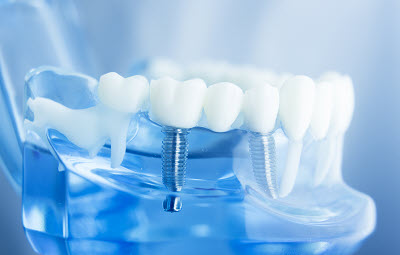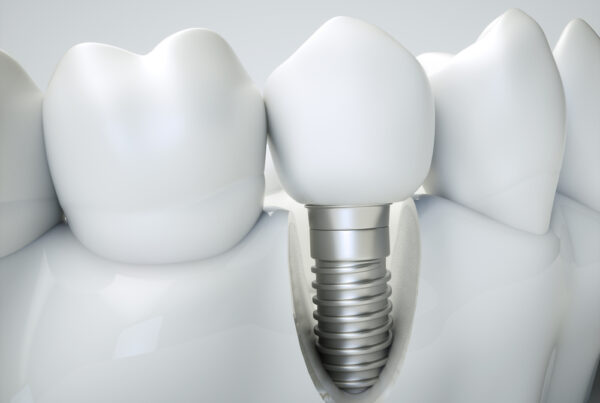

Thinking about dental implants but not sure what they cost? You’re not alone. Dental implants can feel like a mystery until you start breaking down the individual pieces. This article lays out the real-world factors that affect implant pricing so you can better understand what to expect in Burlington, CT. It’s not just about the number on the bill, but about the value, longevity, and health benefits they offer.
Dr. Bethaney B. Brenner DMD and her experienced team believe every patient deserves honest, helpful guidance when making decisions about their smile. With more than 40 years of experience in dentistry and additional training in implant surgery, sedation, and restorative techniques, Dr. Brenner is known for delivering long-lasting results that feel natural. Her practice serves patients throughout Town Center, George Washington Turnpike, Wildcat Road, and other nearby neighborhoods with compassion and clarity.
What Affects the Cost of Dental Implants?
Dental implant pricing is rarely one-size-fits-all. Your total investment can vary based on several personal, medical, and logistical factors. That’s why we always start with a consultation, to look at the whole picture, not just a generic price tag. The more you understand these variables, the easier it becomes to plan your care and ask the right questions.
Some of the most common cost variables include:
- Number of Implants Needed: Replacing one missing tooth is very different than replacing an entire arch. More implants increase the amount of material, surgical time, and lab work required. This can significantly affect your total cost.
- Condition of the Jawbone: If your jawbone has weakened or shrunk, you may need a bone graft before your implant can be placed. Bone grafting restores support and structure but adds an extra step and cost to your care.
- Tooth Extractions or Prep Work: Sometimes the implant process involves additional dental work, such as removing broken teeth or cleaning infected tissue. These prep steps ensure a healthy foundation but can affect the overall treatment cost.
- Type of Restoration Used: Implants can support different kinds of restorations, like a single crown, a bridge, or a full denture. The type and quality of materials used will influence lab costs and overall pricing.
- Sedation or Anesthesia Preferences: While local anesthesia is standard, some patients prefer deeper sedation options like IV sedation. These comfort options may carry added costs depending on the complexity and duration of your procedure.
By openly discussing your goals, comfort level, and budget, Dr. Brenner can customize a plan that works for you. Her approach isn’t about pushing procedures, it’s about building trust and giving you clear, realistic choices.
Comparing the Long-Term Value of Implants vs Alternatives
Dental implants may seem expensive at first glance, but it’s important to look beyond the initial cost. Unlike bridges or dentures, implants are designed to last for decades with proper care. They also prevent bone loss in the jaw, which helps protect your facial structure and oral function over time. When you weigh that long-term value, many patients feel implants are worth every penny.
Let’s take a closer look at how implants compare:
| Feature | Dental Implants | Traditional Bridge | Full Denture |
| Longevity | 20+ years with proper care | 5–15 years | 5–10 years |
| Affects Nearby Teeth | No | Yes (adjacent teeth altered) | No |
| Bone Preservation | Yes | No | No |
| Comfort & Stability | Very high | Moderate | Can slip or shift |
| Upkeep Costs Over Time | Low | Medium | Medium to high |
Many patients from West Burlington, Lewis Mills, and Riverview have shared their regrets about waiting too long to choose implants. After years of dealing with loose dentures or repeat dental work, they often say they wish they’d done it sooner. Implants offer not just stability but peace of mind, and that’s hard to put a price on.
How to Budget for Dental Implants
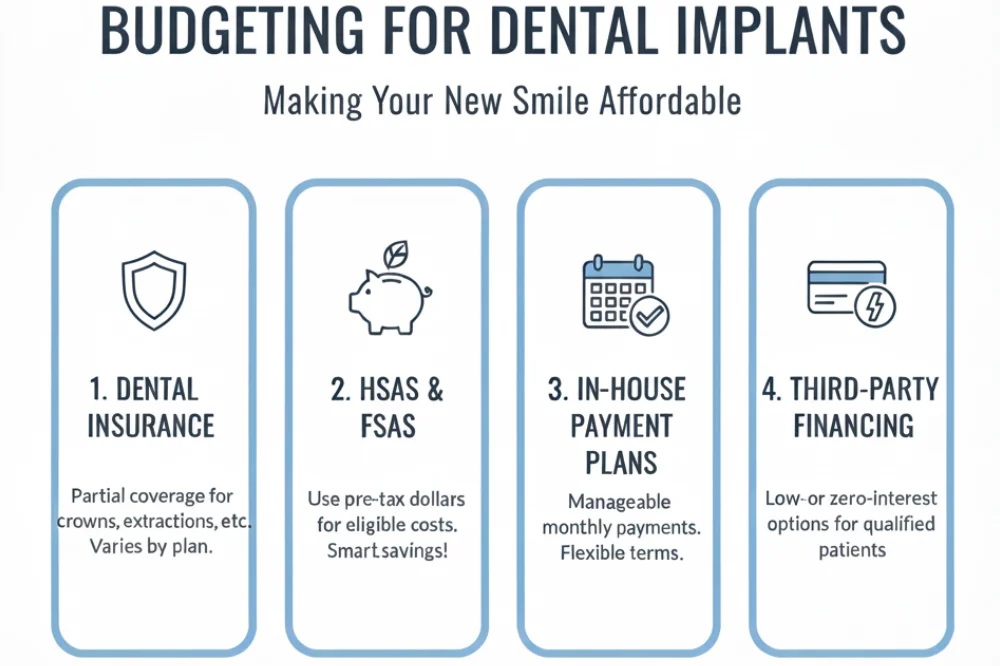
If you’re worried about affordability, you’re not alone. Many patients start out with concerns about how to pay for implants, especially if they’ve heard horror stories about out-of-pocket costs. The good news? There are real, flexible options that make implants more affordable than most people expect. At Dr. Brenner’s office, we guide you through every step.
Options may include:
- Dental Insurance: While not all insurance plans cover the full implant procedure, some do help with parts of it. For example, they may cover the crown placed on top or necessary extractions beforehand.
- Health Savings Accounts (HSAs) or FSAs: These accounts let you use pre-tax dollars for eligible healthcare expenses, including many parts of the implant process. It’s a smart way to stretch your budget.
- In-House Payment Plans: We offer manageable monthly payment plans designed to fit real-world budgets. Our team will explain the terms and work with you to find a payment schedule that feels comfortable.
- Third-Party Financing: We also partner with outside healthcare lenders that specialize in dental financing. Some offer low-interest or even zero-interest options for qualified patients.
Patients from neighborhoods like Savarese Lane, Warren Glen, and Mountain View Woods often tell us that these financing options gave them confidence and clarity. Instead of postponing care, they were able to move forward and start their smile transformation on their terms.
Why Experience and Training Matter
Not all implant dentists offer the same level of care. Experience, training, materials, and attention to detail vary widely from office to office. Choosing a highly qualified provider like Dr. Brenner can improve not just the outcome, but the overall experience and value of your treatment.
Dr. Bethaney Brenner DMD has decades of hands-on experience and has completed extensive training in implant surgery, restorative techniques, and sedation dentistry. She’s been placing and restoring dental implants since 2006 and is certified in systems like Astra Tech, known for their reliability and long-term performance.
Her blend of technical skill and holistic care creates an experience that’s both thorough and thoughtful. She doesn’t just place implants, she helps patients across Collinsville, Alpine Drive, and Stanwich Lane regain confidence, function, and quality of life.
What to Expect at Your Consultation
The consultation process is where it all starts. This is your opportunity to sit down with Dr. Brenner and learn exactly what your options are. During your visit, she will take digital images, evaluate your oral and overall health history, and carefully assess your teeth, gums, and jaw structure. This detailed review helps ensure that every recommendation is medically sound and aligned with your long-term goals.
You’ll also have a one-on-one discussion about what matters most to you. Some patients are looking for long-term stability, others want the most natural aesthetics possible, and many are concerned about timelines, comfort, or financing. Dr. Brenner’s goal is to give you a realistic, pressure-free plan that reflects your specific situation.
After your appointment, you’ll leave with a clear understanding of whether dental implants are a good fit for you. If any additional procedures are needed, like bone grafting or extractions, those will be outlined in advance. You’ll also receive a personalized treatment plan that includes estimated costs and a proposed schedule. Many patients from Spielman Highway, Bittersweet Lane, and Foote Farm share that this first visit gave them a sense of clarity and control they hadn’t expected.
Taking the Next Step Toward a Confident Smile
Dental implants are more than just a dental treatment, they’re a decision about your future health and confidence. When you work with a trusted guide like Dr. Bethaney B. Brenner DMD, you’re not just getting a procedure. You’re getting support, education, and results that make a real difference.
Our team is here to help you feel informed, comfortable, and confident at every step. Whether you’re coming from Town Center, Lost Acres, or East Burlington, we’ll be with you from your first question to your final smile. If you’re ready to learn more about your options, call our Burlington office and schedule a consultation. Let’s take the first step together.
Book Your Consultation Today!
Dr. Bethaney B. Brenner DMD
8 Milford St, Burlington, CT 06013
Frequently Asked Questions
How much do dental implants typically cost in Burlington, CT?
Patients want a realistic local price range so they can budget and compare options without surprises.
What they should ask instead: What’s a typical total price range for a single implant in Burlington, and what can change that number?
- Immediate Insight: In Connecticut, a single dental implant (implant post, abutment, and crown) commonly falls in roughly the low‑$3,000s to around $6,000 or more per tooth, and a $3,000 to $5,000 ballpark for many straightforward Burlington cases is a reasonable expectation range, not a guarantee.
- Supporting Context: National and professional sources note that fees vary with bone quality, need for extractions or grafts, type of restoration, materials, and the training and technology of the practice; professional groups emphasize that regional averages are guides, not fixed prices.
- Deeper Implication: The most accurate way to know your cost in Burlington is a consult with a dentist like Dr. Brenner who can review imaging and provide a written estimate that clarifies what is included (surgery, parts, temporaries, grafting, follow‑ups).
Will my dental insurance help cover the cost of implants?
Coverage varies widely, and patients want to know what help to expect.
What they should ask instead: What parts of implant treatment might my plan cover, and how do I find out for sure?
- Immediate Insight: Many dental plans still treat implants as partly or fully elective, but some now help with portions of treatment, such as extractions, bone grafts, or the final crown, even if they do not cover the implant post itself.
- Supporting Context: Insurance and professional organizations recommend asking for a detailed benefits breakdown and pre‑treatment estimate so you know annual maximums, waiting periods, and exactly which procedure codes are covered.
- Deeper Implication: Having the office submit a preauthorization and review it with you lets you see how much insurance will pay, how much is out‑of‑pocket, and whether options like payment plans or HSAs/FSA funds make the investment easier to manage.
Are dental implants worth the cost?
Implants are a larger upfront investment than bridges or dentures; patients want to know if they truly pay off.
What they should ask instead: How do implants compare long‑term to bridges and dentures for function, comfort, and total cost over time?
- Immediate Insight: For many patients, yes. Implants are designed to be long‑lasting, help preserve jawbone, and feel and function more like natural teeth than removable dentures or traditional tooth‑supported bridges.
- Supporting Context: Mayo Clinic and Cleveland Clinic describe high long‑term success and satisfaction rates with properly planned implants, noting advantages like improved chewing efficiency, stability, and no need to drill neighboring teeth as in some bridges.
- Deeper Implication: While the initial fee is higher, implants often become cost‑effective over time by reducing the need for remake dentures, repeated bridge replacements, and bone‑loss‑related problems, especially when maintained with good hygiene and regular care.
Can I get dental implants if I have bone loss?
Many people assume bone loss disqualifies them, when it often just changes the plan.
What they should ask instead: What are my options if my jawbone has thinned where the tooth has been missing?
- Immediate Insight: Often yes, but you may need procedures like bone grafting or sinus lift first to rebuild enough volume for the implant to hold securely.
- Supporting Context: The American Association of Oral and Maxillofacial Surgeons explains that grafts can use your own bone, donor bone, or synthetic materials to strengthen thin or soft areas; a dentist or surgeon will evaluate this with 3D imaging before planning implants.
- Deeper Implication: Having bone loss is common, not a failure. A comprehensive exam with Dr. Brenner or another implant‑trained provider can clarify whether staged grafting, shorter or angled implants, or alternative solutions (like implant‑supported dentures) fit your situation best.