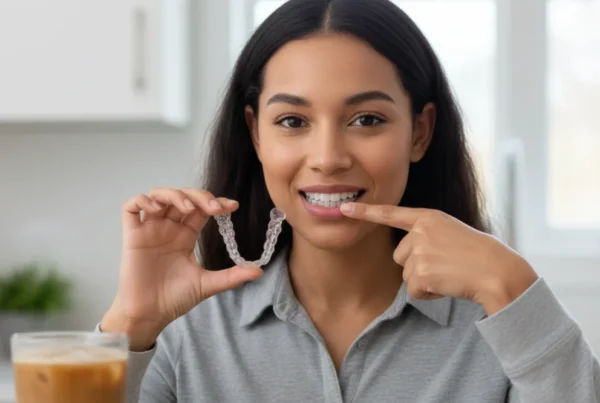
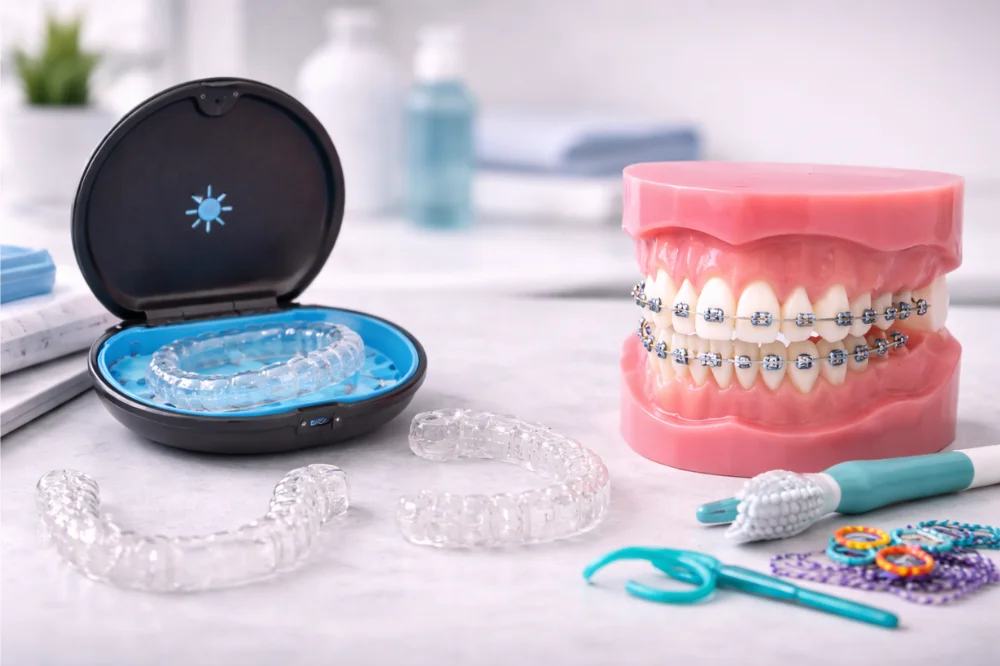
Both Invisalign and traditional braces can straighten teeth and improve your bite when used correctly. The better choice depends on your smile needs, your lifestyle, and how you feel about wearing orthodontic appliances every day. Burlington patients often want an honest comparison that helps them see where they personally fit.
This guide compares Invisalign and braces in clear, practical language. You will learn how each option works, where they differ, and which types of patients tend to do better with each approach. The perspective reflects how Dr. Bethaney B. Brenner and the team at The Burlington Dentist guide real Burlington, CT patients through this decision.
How Invisalign and Braces Work and Where They Are Similar
Both treatments move teeth by applying controlled forces over time. Traditional braces use fixed brackets and wires to deliver continuous pressure that is adjusted during office visits. Invisalign uses a series of custom clear aligners that make small planned changes with each new set.
Both systems can produce excellent results when the plan is well designed and followed. Provider experience and thoughtful planning matter as much as the appliance itself. In many mild to moderate cases, Invisalign and braces can achieve very similar outcomes.
The key difference is how the force is delivered and managed day to day. Braces are always on and do not depend on daily discipline. Invisalign is removable and relies on consistent wear to work as intended.
Day to Day Differences That Matter to Patients
Patients usually notice differences in appearance and comfort almost immediately after starting treatment. Braces are visible, especially traditional metal brackets, and can irritate cheeks or lips after adjustments. Invisalign aligners are nearly invisible and made from smooth plastic, which many patients find gentler on soft tissues during daily wear.
Daily habits also change depending on the option you choose. Eating with braces requires avoiding sticky or hard foods, while Invisalign has no food restrictions because trays are removed, though cleaning before reinserting is essential. These differences affect routines at work, school, sports, and social events, and comfort and convenience often influence satisfaction just as much as the final result.
Side by Side Comparison of Invisalign and Braces
The table below summarizes the questions Burlington patients ask most often when comparing Invisalign and traditional braces. It focuses on real, day-to-day differences that affect comfort, habits, and overall experience during treatment. Think of this as a practical snapshot to help you understand how each option fits into everyday life.
| Feature | Invisalign | Traditional Braces |
| Appearance | Nearly invisible aligners | Visible brackets and wires |
| Comfort | Smooth plastic, less cheek irritation | Possible rubbing and soreness |
| Eating | No restrictions with trays out | Avoid sticky and hard foods |
| Oral hygiene | Brush and floss normally | Brushing and flossing are harder |
| Compliance | Requires 20 to 22 hours per day wear | Works continuously |
| Emergencies | Fewer urgent visits | Broken wires or brackets possible |
These differences help explain why some patients strongly prefer Invisalign while others feel more comfortable with braces. Neither option is automatically better or worse across the board. The best choice is the one that aligns with your habits, priorities, and ability to follow daily instructions.
When Braces Still Have the Edge
Braces remain the most predictable option for very complex orthodontic problems. Severe crowding, large rotations, major bite discrepancies, and difficult vertical movements often respond best to fixed appliances. Because braces do not come out, they deliver constant force regardless of patient behavior.
Braces are also a strong choice for patients who may struggle with compliance. Younger teens or anyone likely to forget removable appliances often benefit from a system that stays in place. This reliability can sometimes shorten treatment time in difficult cases.
In Burlington, dentists recognize these advantages and recommend braces when predictability matters most. Referrals to orthodontists may be made for advanced cases. Choosing braces in these situations supports long-term stability.
Lifestyle and Responsibility Considerations
How you live day to day plays a major role in which option feels easier. Invisalign gives flexibility, but that flexibility comes with responsibility. Braces remove many daily decisions, but introduce visible hardware and food rules.
Patients should think honestly about their habits before choosing. This includes how often they snack, how organized they are, and how much they care about visibility. Lifestyle fit often determines satisfaction more than clinical details.
- Invisalign often fits patients who are organized, motivated, and value discreet treatment
- Braces often fit patients who prefer a fixed system and do not want to track wear time
- Teens and adults with busy schedules should consider which option feels easier to manage daily
Thinking through these points ahead of time prevents regret later. There is no wrong answer when the choice matches your habits. An honest self-check makes the dentist consultation more productive.
Cost, Treatment Time, and Overall Value
Costs for Invisalign and braces overlap more than many Burlington patients expect. Metal braces are sometimes slightly less expensive on average, but Invisalign pricing is often very comparable depending on case complexity and insurance coverage. Many Burlington practices also offer financing options that make either choice manageable over time.
Treatment time varies with both approaches and depends heavily on the individual case. Braces often last 18 to 24 months or longer for more complex alignment or bite issues. Invisalign commonly averages 12 to 18 months for typical Burlington cases when aligners are worn consistently as directed.
Value is about more than the upfront fee alone. Lifestyle fit, ease of brushing and flossing, comfort, and fewer emergency visits can all affect how treatment feels day to day. The best option is the one that delivers a smooth experience while achieving healthy, stable results for your smile.
How Burlington Dentists Approach the Decision
Burlington dental practices use Invisalign extensively because of its comfort, discreet appearance, and precise digital planning tools. Many mild to moderate alignment issues are excellent candidates for clear aligners, especially for adults and motivated teens. At the same time, experienced local dentists are upfront when braces offer a more predictable or stable solution. The goal is not to push one option, but to recommend what best fits the patient’s clinical needs and long-term results.
Modern Burlington offices rely on digital scans, personalized treatment planning, and open conversations to guide recommendations. Costs, timelines, lifestyle expectations, and daily responsibilities are discussed early so there are no surprises later. Choosing a provider who explains both Invisalign and braces clearly matters because honest guidance is based on your case, not a single product. Local experience and transparency help patients feel confident in their decision and their outcome.
A Simple Decision Framework to Guide Your Choice
Before your consultation, it helps to narrow your preference using a simple decision framework. This approach is not meant to diagnose your case, but it helps you think through what matters most to you. Coming prepared with this clarity can make your Burlington appointment more productive and less overwhelming.
- You may lean Invisalign if your case is mild to moderate and you value discreet treatment
- You may lean Invisalign if you can realistically wear aligners for 20 to 22 hours each day
- You may lean braces if your case is complex or daily compliance may be challenging
- You may lean braces if you prefer the reliability and consistency of a fixed appliance
This framework helps turn general information into a practical starting point. It aligns expectations early and reduces second guessing after treatment begins. Final recommendations should always come from a professional evaluation that considers your teeth, bite, and long-term stability.
Choosing the Right Path for Your Smile
Both Invisalign and traditional braces can create healthy, aligned smiles. Braces often shine in very complex or low compliance cases, while Invisalign works well for many Burlington teens and adults who want flexibility and discretion. The best choice balances medical needs with lifestyle fit.
At The Burlington Dentist, Dr. Bethaney B. Brenner helps patients make informed decisions in Burlington, CT. Scheduling a consultation allows you to review side by side plans with timelines and costs. Choosing the right option sets you up for a smoother journey and lasting results.
Frequently Asked Questions
Is Invisalign as effective as braces?
Invisalign can be just as effective as braces for many mild to moderate orthodontic cases when aligners are worn as directed. Success depends on proper planning, provider experience, and wearing aligners 20 to 22 hours per day. For very complex bite or alignment problems, braces may still provide more predictable control.
How long does Invisalign take compared to braces?
Treatment length varies for both options and depends on case complexity and consistency. Invisalign often averages 12 to 18 months for typical Burlington cases, while braces commonly range from 18 to 24 months or longer for complex problems. Skipping wear time or appointments can extend either timeline.
Is Invisalign more expensive than braces?
Costs for Invisalign and braces often overlap more than patients expect. Metal braces are sometimes slightly less expensive, but Invisalign pricing can be very similar depending on complexity and insurance coverage. Financing options in Burlington help make either choice accessible.
Are braces better for teenagers?
Braces can be a better option for some teens because they do not rely on daily compliance. Invisalign can work very well for motivated teens who are comfortable managing removable aligners. The right choice depends on maturity, habits, and the complexity of the orthodontic issue.
How do I know which option is right for me?
The best way to decide is through a professional evaluation that considers your smile needs, lifestyle, and goals. A Burlington dentist can explain which option offers the best balance of effectiveness and convenience for your situation. Coming prepared with questions helps make that conversation more productive.